How I Stay Calm When Markets Go Wild – A Fund Manager’s Mindset Hack
Ever panic-sold when the market dipped? I did—more than once. It cost me real money and sleepless nights. Over years of managing funds, I learned that success isn’t about picking the perfect stock; it’s about mastering your mind. Emotions wreck portfolios faster than bad timing. In this piece, I’ll walk you through the mental shifts that transformed my approach—focusing on discipline, long-term vision, and emotional resilience. No jargon, no hype—just real insights from real experience. What you’re about to read isn’t a trading strategy or a market forecast. It’s a mindset framework, built over decades of watching smart people make costly emotional mistakes—and learning how to avoid them.
The Hidden Cost of Emotional Investing
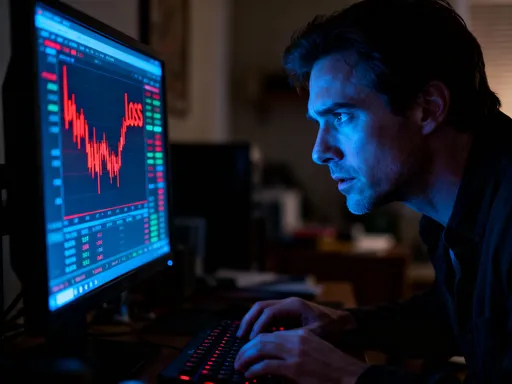
When markets turn volatile, many investors react not with strategy, but with instinct. The sudden drop in a portfolio’s value triggers a primal response: fear. This fear, left unchecked, leads to decisions made in reaction rather than reflection. One of the most common—and damaging—behaviors is panic selling. It happens when an investor sees a 10%, 15%, or even 20% decline and decides to exit the market entirely, locking in losses that could have been temporary. The irony is that this move often occurs at the worst possible time: just before a recovery begins. History shows that some of the strongest market rebounds follow the steepest declines. Yet, emotionally driven investors miss these turning points because they’ve already stepped off the train.
The opposite extreme—greed—can be just as harmful. During bull markets, especially when certain assets or sectors gain rapid attention, the fear of missing out, or FOMO, pushes investors to chase performance. They buy high, often without understanding the underlying fundamentals, simply because others are doing it. This behavior inflates bubbles and sets the stage for future losses. Emotional investing distorts judgment by replacing analysis with impulse. It shifts focus from long-term goals to short-term sensations: the thrill of a rising stock or the dread of a falling balance. Over time, these emotional swings erode wealth not through poor asset selection, but through poor timing and inconsistent behavior.
Consider the 2008 financial crisis. Many investors sold near the bottom, convinced the downturn would never end. Years later, when markets recovered and reached new highs, those same individuals were still on the sidelines, hesitant to re-enter. Their emotional response to short-term pain caused long-term financial setbacks. Similarly, during the tech bubble of the early 2000s, countless investors poured money into internet startups with no profits, no clear business models, and sky-high valuations. When the bubble burst, portfolios were decimated. In both cases, the root cause wasn’t a lack of information or access to good investments—it was the inability to manage emotions under pressure. The cost of emotional investing isn’t just measured in lost returns; it’s seen in missed opportunities, broken confidence, and a cycle of reactive decision-making that’s hard to escape.
What makes emotional investing so persistent is that it feels rational in the moment. When the news headlines scream “Market Crashes!”, it seems logical to sell. When a neighbor brags about doubling their money in a hot stock, it feels foolish not to follow. But real investing wisdom lies in recognizing that feelings are not facts. The market’s volatility is not a signal to act—it’s a test of discipline. The most successful investors aren’t those who never feel fear or excitement; they’re the ones who’ve built systems to act despite those feelings. By understanding the psychological traps of fear and greed, investors can begin to separate emotion from strategy and make decisions based on planning, not panic.
Why Your Mindset Matters More Than Market Timing
Most investors spend too much time trying to predict the market. They watch the news, follow economic indicators, and scan charts, hoping to find the perfect moment to buy low and sell high. But decades of research show that market timing is a losing game for the vast majority. Even professional fund managers struggle to consistently outperform the market through timing alone. A study by DALBAR, for example, found that over a 30-year period, the average equity fund investor earned less than half the return of the S&P 500 index. Why? Because their behavior—buying after prices rose and selling after they fell—undermined their results. The gap between potential returns and actual investor returns is not due to flawed products; it’s due to flawed behavior.
This is where mindset becomes the deciding factor. An investor with the right mindset doesn’t focus on predicting the next move; they focus on staying the course. They understand that markets are inherently uncertain and that volatility is not a bug—it’s a feature. Instead of trying to avoid downturns, they prepare for them. They accept that losses are part of the journey and that patience is the price of compounding. This mental shift—from trying to control the market to controlling one’s own reactions—changes everything. It transforms investing from a high-stakes guessing game into a long-term wealth-building process.
Consider two investors. The first checks her portfolio daily, reacts to every headline, and shifts her strategy based on the latest trend. The second sets a clear investment plan, rebalances once a year, and ignores short-term noise. Over time, the second investor consistently outperforms, not because she has better picks, but because she has better behavior. Her returns benefit from compounding uninterrupted by emotional interruptions. She doesn’t miss the recovery because she never left. Her mindset allows her to endure discomfort without abandoning her strategy. This is the power of consistency over speculation.
Another key element of the right mindset is the ability to delay gratification. In a world of instant results—same-day delivery, real-time notifications, quick fixes—waiting feels unnatural. But investing rewards those who can wait. The stock market’s long-term average return is around 7% to 10% annually, but that return isn’t linear. Some years bring double-digit gains; others bring losses. The investor who stays focused on the long term, who doesn’t demand immediate validation, is the one who captures the full benefit of growth. Mindset, in this sense, is the foundation of financial success. It’s not about being smarter than the market; it’s about being steadier.
Building Mental Resilience for Volatile Markets
Mental resilience isn’t something you’re born with—it’s something you build, like a muscle. In the context of investing, resilience means the ability to stay calm, make rational decisions, and stick to your plan even when the market is in chaos. This doesn’t happen by accident. It requires preparation, structure, and self-awareness. One of the most effective ways to build resilience is to define your goals clearly. What are you investing for? Retirement? A child’s education? A home? When your goals are specific and meaningful, they become anchors during turbulent times. You’re less likely to panic-sell when you remember that your portfolio isn’t just a number on a screen—it’s a tool for achieving life objectives.
Equally important is understanding your risk tolerance. This isn’t just about how much loss you can financially afford; it’s about how much volatility you can emotionally withstand. Some investors can watch their portfolio drop 30% and stay calm because they’ve prepared for it. Others feel intense stress at a 10% decline. Knowing your personal threshold helps you design a portfolio that aligns with your comfort level. This doesn’t mean avoiding risk altogether—some risk is necessary for growth—but it means taking on only the kind and amount of risk you can live with over time. A well-constructed portfolio, matched to your risk profile, reduces the likelihood of emotional overreactions.
Another powerful tool is a rules-based investment plan. This is a written set of guidelines that dictates how you invest, when you rebalance, and under what conditions you might make changes. For example, you might decide never to sell based on a news headline, or to rebalance your portfolio every 12 months regardless of market conditions. These rules remove emotion from decision-making. When the market plunges, you don’t have to debate whether to sell—you follow the plan. This reduces decision fatigue and prevents impulsive moves. Think of it like a flight checklist: pilots don’t decide in the moment whether to lower the landing gear; they follow a procedure. Investors should do the same.
Regular check-ins with your investment philosophy also strengthen resilience. Set a time—quarterly or annually—to review your goals, risk tolerance, and strategy. This isn’t about making changes; it’s about reaffirming your commitment. During these moments, remind yourself why you invest the way you do. Read your original plan. Reflect on past challenges you’ve weathered. This practice builds confidence and reinforces discipline. Over time, you’ll find that market swings no longer feel like emergencies. They feel like expected events in a long-term journey. That shift in perception is the essence of mental resilience.
The Power of Process Over Performance
Most investors measure success by performance: Did my portfolio go up this month? Did I beat the market? While returns matter, focusing solely on outcomes leads to stress and poor decisions. A better approach is to focus on process. The process includes everything you do before and after making an investment: research, asset allocation, diversification, rebalancing, and tax efficiency. When you judge yourself by the quality of your process, not just the results, you gain control over what you can influence. Market returns are out of your hands; your behavior is not.
Imagine two doctors. One follows all medical best practices, consults the latest research, and communicates clearly with patients. The other skips protocols, relies on gut feeling, and rarely updates his knowledge. If the first doctor has a patient who doesn’t recover, it doesn’t mean he failed—it means medicine has limits. Similarly, an investor with a strong process may still face losses during a market downturn. But that doesn’t mean the process was wrong. In fact, sticking to a sound process during tough times is often the mark of a skilled investor. The alternative—abandoning strategy because of short-term results—leads to inconsistency and long-term underperformance.
A solid investment process starts with research. This means understanding what you own and why. It’s not enough to buy a stock because it’s popular. You should know the company’s business model, financial health, and competitive position. For mutual funds or ETFs, you should understand the index they track, their fees, and their historical behavior. Diversification is another key part of the process. Spreading investments across asset classes—stocks, bonds, real estate, international markets—reduces the impact of any single failure. Rebalancing ensures your portfolio stays aligned with your goals and risk tolerance. Tax efficiency, such as using retirement accounts wisely and minimizing turnover, protects more of your returns.
Tracking your process regularly builds confidence. Create a simple checklist: Did I stick to my allocation? Did I avoid emotional trades? Did I rebalance on schedule? Reviewing these items quarterly helps you stay accountable. Over time, you’ll notice that your anxiety decreases. You won’t feel the need to check your portfolio every day. You’ll trust that as long as you’re following the process, the results will follow. This is the mindset shift that separates successful investors from the rest. They don’t chase performance; they cultivate discipline. And in the long run, discipline compounds just like money.
How Discipline Protects Your Wealth More Than Intelligence Does
Intelligence is valuable in investing, but it’s no guarantee of success. In fact, highly intelligent people often underperform because they overestimate their ability to predict the market. They see patterns where none exist, trust their instincts too much, and believe they can outsmart the system. What they lack isn’t knowledge—it’s discipline. Discipline is the ability to follow a plan even when emotions pull you in another direction. It’s what keeps you from selling in a crash or buying in a bubble. And over time, discipline delivers better results than brilliance.
Consider the power of automatic investing. Setting up regular contributions to a retirement account or brokerage fund removes the need to decide when to invest. You buy shares every month, regardless of price. This strategy, known as dollar-cost averaging, naturally lowers your average cost over time. More importantly, it eliminates the temptation to wait for the “perfect” moment. Intelligent investors might try to time their entries, but disciplined ones let consistency do the work. The result? They stay invested, capture market gains, and avoid the paralysis of overthinking.
Predefined exit points are another example of discipline in action. Instead of reacting to daily price swings, disciplined investors set rules for when to sell. This might include selling a stock if its fundamentals deteriorate, if it reaches a target price, or if it exceeds a certain percentage of the portfolio. These rules prevent emotional decisions, such as holding a falling stock out of hope or selling a winner too early out of fear. By defining the criteria in advance, investors remove the pressure of making a choice in the heat of the moment.
Periodic reviews are also essential. A disciplined investor doesn’t tinker with their portfolio constantly. They set a schedule—once a year, for example—to assess performance, rebalance, and adjust for life changes. This structured approach prevents overtrading, which can erode returns through fees and taxes. It also reinforces long-term thinking. Studies show that investors who trade frequently underperform those who trade infrequently. The reason isn’t that frequent traders are less intelligent; it’s that they’re less disciplined. They let short-term noise override long-term strategy. True wealth protection comes not from clever moves, but from consistent, rule-based behavior.
Avoiding the Comparison Trap in Fund Management
One of the most subtle but damaging habits in investing is comparison. It’s natural to wonder how your portfolio is doing compared to your neighbor, your colleague, or a market index. But constant comparison can erode satisfaction and lead to poor decisions. Every investor has a unique situation: different goals, time horizons, risk tolerance, and financial responsibilities. What works for one person may be inappropriate for another. Yet, seeing someone else’s gains can trigger envy, doubt, and the urge to chase returns—often at the worst time.
The problem with benchmarks is that they’re impersonal. The S&P 500 might be up 15% this year, but if your portfolio is more conservative—say, 60% bonds and 40% stocks—expecting the same return is unrealistic. A balanced portfolio is designed to reduce volatility, not maximize short-term gains. Judging it by a stock-heavy index sets you up for disappointment. Similarly, a young investor with decades until retirement can afford to take more risk than someone nearing retirement. Their strategies should look different. Comparing them is like comparing a marathon runner to a sprinter and asking why one isn’t going faster.
A better approach is to measure progress against your own goals. Create customized reports that track your net worth, savings rate, and progress toward specific objectives. Instead of asking, “Did I beat the market?” ask, “Am I on track to retire at 65?” or “Is my child’s education fund growing as planned?” This shift in focus fosters contentment and reduces the noise from external comparisons. It also keeps you aligned with your personal financial plan.
Mindful media consumption is another key. Financial news often emphasizes extreme stories—someone who made a fortune in crypto, a stock that doubled overnight. These narratives are attention-grabbing but not representative. Regular exposure to such content can distort your perception of normal investing outcomes. Limit your intake of financial media, especially during volatile periods. Stick to trusted, balanced sources, and avoid social media investment groups where hype and emotion run high. Your peace of mind is worth more than the latest tip. By avoiding the comparison trap, you protect not just your portfolio, but your emotional well-being.
Cultivating Patience: The Forgotten Superpower in Wealth Building
In a world of instant results, patience is underrated. We expect quick answers, fast deliveries, and immediate rewards. But wealth building doesn’t work that way. It’s a slow, steady process that relies on the power of compounding. Compounding means earning returns not just on your original investment, but on the returns themselves. Over time, this creates exponential growth—but only if you stay invested. Patience is the glue that holds the process together. It’s what keeps you from pulling out during downturns, chasing fads, or abandoning a strategy too soon.
Consider two investors who each invest $500 a month. The first starts at age 25 and stops at 35, contributing for 10 years. The second starts at 35 and continues until 65, contributing for 30 years. If both earn an average annual return of 7%, the first investor ends up with more money—simply because their money had more time to compound. This example isn’t theoretical; it’s a well-documented phenomenon. The early investor didn’t contribute more; they just started sooner and stayed longer. Patience, in this case, was the decisive advantage.
Patience also means accepting uncertainty. Markets will fluctuate. Economies will face recessions. Geopolitical events will cause shocks. No one can predict these events with consistency. But a patient investor doesn’t need to. They understand that time in the market beats timing the market. They trust that, over decades, quality investments tend to rise in value. They’re not trying to avoid every dip; they’re trying to capture the long-term trend.
Finally, patience is a mindset cultivated through practice. It grows when you resist the urge to check your portfolio daily, when you ignore the latest “hot tip,” and when you stick to your plan through good years and bad. It’s reinforced every time you choose long-term security over short-term excitement. True financial success isn’t about making bold moves or catching the next big trend. It’s about showing up consistently, making thoughtful decisions, and trusting the process. In the end, the most powerful tool an investor has isn’t intelligence, luck, or insider knowledge. It’s the quiet, steady force of patience—backed by discipline, guided by purpose, and strengthened by time.