Finished a 60-hour course in 15: The personalized learning trick that saved my weeknights
Remember those online courses you signed up for with good intentions—then forgot? I’ve been there, drowning in long videos and endless quizzes. But last month, I finally finished a course without burning out. The secret wasn’t willpower—it was personalization. By letting the platform adapt to my pace, my schedule, and even my learning gaps, I saved hours. This isn’t about grinding harder. It’s about learning smarter—so you keep growing without sacrificing your life.
The Midnight Regret: When Learning Feels Like a Second Job
How many times have you promised yourself, 'This is the week I start that course'? You picture yourself sipping tea, focused and calm, absorbing new skills like a sponge. Then reality hits. The kids need help with homework. Dinner burns. The laundry pile grows. And by 10 p.m., you’re staring at your screen, too tired to read a single sentence. I’ve been that woman—sitting in my robe, blinking at a 45-minute lecture on time management, wondering why improving my life felt like another chore.
It’s not just you. So many of us want to grow, to learn something new, to feel capable and confident. But traditional online learning isn’t built for real life. It assumes you have blocks of uninterrupted time, perfect focus, and endless energy. It treats every learner the same—like we all wake up refreshed, drink the same amount of coffee, and have identical attention spans. But life doesn’t work that way. Some nights, I’m wide awake at 8 p.m. Other nights, I’m dragging by 7. Some days, I can focus for 30 minutes. Others, I’m lucky to get five.
And yet, most courses don’t care. They serve the same content to everyone, in the same order, at the same pace. You’re expected to watch every video, take every quiz, and complete every assignment—whether you need it or not. That’s why so many of us start strong and fade fast. It’s not lack of motivation. It’s lack of fit. When learning fights your rhythm instead of flowing with it, it becomes another source of guilt. 'I should be doing this.' 'I’m falling behind.' 'Why can’t I stick with anything?' But what if the problem isn’t you? What if it’s the system?
The Turning Point: When the Course Started Adapting to Me
Everything changed when I stumbled on a learning platform that actually asked me what I needed. No assumptions. No rigid syllabus. Just a few simple questions: What do you already know? What do you want to learn? How much time can you give each day? I answered honestly—maybe 20 to 25 minutes, if I’m lucky, mostly at night after the house is quiet. I clicked 'Start,' and instead of launching into a 60-minute module, the system gave me a 12-minute lesson on goal setting—something I’d struggled with before.
The next day, it followed up with a short quiz. I missed one question about SMART goals. Instead of moving on, the platform paused and said, 'Let’s go over this again.' It offered a different explanation, a real-life example, and a mini practice exercise. I got it right the second time. And instead of making me feel slow or behind, it felt like someone was actually paying attention—like a teacher who sees you raising your hand and says, 'Let’s try this another way.'
By the third day, I noticed something strange: I was ahead. Not just in minutes logged, but in understanding. I’d covered more in three nights than I had in three weeks of my last course. And I didn’t feel drained. I felt curious. The platform had skipped the basics I already knew—like why planning matters—and focused on where I needed help. It didn’t waste my time. And because it respected my time, I trusted it. I started looking forward to my nightly session, not dreading it. That’s when I realized: this wasn’t just a course. It was a different way of learning—one that finally made sense for my life.
How It Works: Learning That Knows Your Rhythm
You might be wondering, 'How does it know what I need?' It’s not magic, but it is smart. Behind the scenes, the platform uses what’s called adaptive learning technology. It watches how you interact with the material—how long you spend on a page, whether you replay a video, which quiz questions trip you up. If you fly through a section on budgeting, it assumes you’ve got the basics and moves you forward. If you pause and rewatch a lesson on stress management twice, it notices and offers extra support.
Think of it like a GPS for your brain. When you drive, your GPS doesn’t just give you the same route every time. If traffic is bad, it reroutes you. If you miss a turn, it recalculates. This learning system does the same. It’s constantly adjusting based on your progress, your pace, your patterns. If you’re a morning person, it might suggest deeper topics early in the day. If you’re a night owl, it saves the heavy stuff for later. It learns you, so you don’t have to fight the material.
And here’s the best part: it doesn’t punish you for not being perfect. Missed a day? No guilt trip. The schedule shifts. Need to review something? No penalty. It’s built on the idea that learning isn’t linear. Real growth has ups and downs. Some days you get it fast. Others, you need to sit with it a while. The system doesn’t rush you. It waits. It supports. It’s like having a quiet coach in your corner, saying, 'You’ve got this. Let’s go at your pace.'
Real Life, Real Schedule: Fitting Growth Into 15 Minutes a Day
I didn’t suddenly find more hours in the day. I stopped wasting the ones I had. Before, I’d tell myself, 'I’ll do it on Saturday.' But Saturday never came. Or if it did, I was too tired, or the kids needed me, or something urgent popped up. Life doesn’t wait for perfect moments. So I stopped waiting.
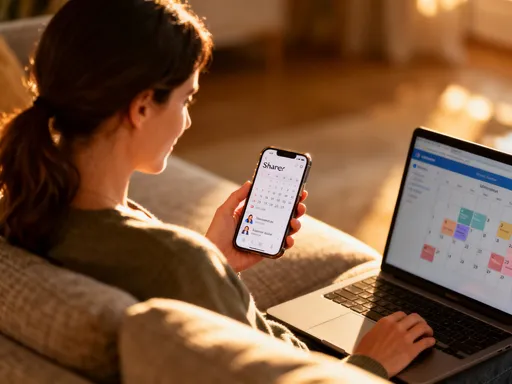
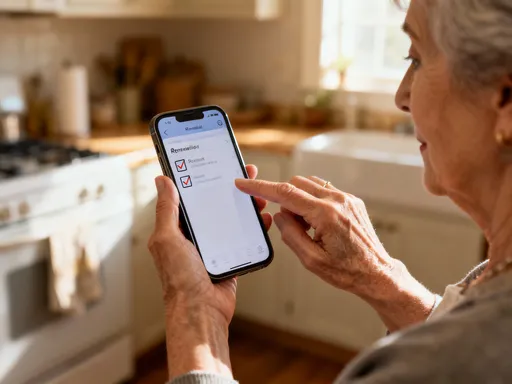
Now, I use the small pockets I already have. While my coffee brews, I open the app and do a five-minute lesson. After dinner, while the kitchen cleans itself (okay, the dishwasher does), I sit with my tablet for 15 minutes. On days when I’m wiped, the platform offers a quick summary or a voice-based recap I can listen to while folding laundry. It’s not about big commitments. It’s about consistency—tiny steps that add up.
My husband noticed the difference. 'You seem calmer about it,' he said one night. 'You’re not stressed out trying to 'catch up.' And he was right. Because the course wasn’t chasing me. I wasn’t behind. There was no 'behind.' The system adjusted to my real life—my real energy, my real schedule. I wasn’t sacrificing family time or rest. I was growing in the gaps. And that made all the difference. Learning didn’t feel like a burden. It felt like a gift I was giving myself—small, but meaningful.
The Confidence That Comes From Actually Finishing
When I clicked 'Complete Course,' I didn’t throw a party. But I did sit quietly for a moment, staring at the screen. I’d done it. Not just started. Not just made it halfway. I finished. And that small word—'finished'—carried a weight I didn’t expect. For years, I’d told myself I wasn’t the type to follow through. That I’d start things—gardens, journals, workouts—but never stick with them. I wore that story like a badge: 'I’m a starter, not a finisher.'
But this time was different. I hadn’t pushed through exhaustion. I hadn’t sacrificed sleep or sanity. I’d just shown up, consistently, in small ways. And the system made it possible. It didn’t demand more than I could give. It worked with what I had. And in doing so, it gave me something bigger than a certificate: confidence.
That confidence didn’t stay in the course. It spilled into other parts of my life. I signed up for a local cooking class—something I’d been too nervous to try before. I fixed a wobbly shelf in the hallway without calling my brother. I even started writing in a journal again, not because I had to, but because I wanted to. Each small win reminded me: I can do hard things. Not by being superhuman, but by being smart. Progress isn’t about speed. It’s about showing up, step by step, in a way that fits your life.
Making It Work for You: Simple Tweaks to Start Smarter
You don’t need a high-tech platform to borrow this idea. You can start today, with whatever course or goal you’re working on. First, take a honest look at your time. When are you most alert? Is it morning with your coffee? Mid-afternoon during a break? Or late at night, after the house is quiet? Don’t plan for ideal time—plan for real time. Even 10 minutes counts.
Next, scan your course or material. Be honest: what do you already know? Skip it. Most courses let you navigate freely. If you’ve been managing your household budget for years, you don’t need to sit through a 20-minute intro on saving $5 a week. Jump ahead. Save your energy for what you really need to learn.
Use tools you already have. Most video platforms let you adjust playback speed. If a lecture feels slow, speed it up to 1.25x or 1.5x. If it’s dense, slow it down. Pause. Rewind. Take notes. And give yourself permission to stop—without guilt. Learning isn’t a race. It’s more like gardening. You don’t plant all the seeds at once and expect them to bloom the next day. You plant, water, wait. Some grow fast. Others take time. Same with knowledge. Take it in bites. Review when you need to. Come back tomorrow. You’re not failing. You’re learning in your own way.
Learning That Stays With You—Without Taking Everything
Here’s what surprised me most: I actually remember what I learned. Not just for the quiz. Not just to check a box. But in real life. Last week, I used a goal-setting technique from the course to plan our family vacation. I broke it into small steps—research, budget, book—instead of trying to do it all at once. It worked. We had fun. No stress. I didn’t feel overwhelmed.
That’s the power of learning that respects your limits. When you’re not cramming, not rushing, not drowning in content, the lessons stick. They become part of how you think, how you act. I find myself using what I learned in conversations, in decisions, in quiet moments when I need to pause and reflect. It’s not something I ‘finished.’ It’s something I live with.
And I didn’t have to choose between growth and peace. I didn’t have to sacrifice rest, family time, or my sanity. That balance is possible. Technology, when it’s designed with care, doesn’t have to drain you. It can create space. It can make room for both becoming and being. You can grow without burning out. You can learn without losing yourself.
Conclusion
Personalized learning isn’t about fancy gadgets or futuristic classrooms. It’s about respect. It’s a system that sees you as a whole person—not just a learner, but a mom, a partner, a busy woman with a full life. It doesn’t demand more from you. It works with what you’ve got. And in a world that constantly asks you to do more, be more, give more, that kind of support is priceless.
You don’t need more hours. You need smarter ones. You don’t need to push harder. You need tools that move with you, not against you. Because your growth shouldn’t cost your peace. It should add to it. So the next time you think about starting something new, ask yourself: does this fit my life? Or does it expect me to fit into it? Choose the one that bends for you. Because you’re worth the effort—and so is your time.