Tracked 30 days of sitting habits with friends: Here’s how our sleep improved together
We’ve all felt it—that groggy morning, the afternoon slump, the restless night. I used to lie awake, wondering why I was so tired yet couldn’t sleep. Then I noticed a pattern: the more I sat without moving, the worse I slept. So I started tracking it. Not alone, but with a small group of friends who felt the same. We used simple tools to remind us to move, shared small wins, and slowly, something shifted. Our sleep got deeper, our energy steadier. This isn’t about extreme changes—it’s about small, shared steps that add up. And it started with just paying attention.
The Silent Struggle: How Sitting All Day Steals Your Sleep
Let’s be honest—most of us spend way more time sitting than we realize. Think about your typical day. You wake up, maybe stretch for a minute, then sit down with your coffee. You sit at the kitchen table, at your desk, in the car, on the couch. By bedtime, you’ve logged eight, nine, even ten hours of stillness. And if you’re like me, you end the day feeling both exhausted and wired—too tired to do anything, but too alert to fall asleep easily.
I didn’t connect the dots for years. I blamed my poor sleep on stress, or screens, or too much caffeine. But the real culprit was hiding in plain sight: my body wasn’t ready for rest because it hadn’t moved enough. Movement helps regulate your body’s natural sleep-wake cycle, known as your circadian rhythm. When you’re sedentary all day, your body doesn’t get the signals it needs to wind down at night. It’s like trying to park a car that’s still in drive.
My friend Lisa, a mom of two, described it perfectly: “I’m on my feet all day chasing kids, but I’m still sitting more than I think—answering emails, folding laundry on the couch, watching TV after they go to bed. I thought I was tired enough to sleep, but I’d still toss and turn.” Sound familiar? That’s the silent struggle so many of us face. We’re busy, but not active. We’re tired, but not truly rested.
Science backs this up. Studies show that prolonged sitting is linked to poorer sleep quality, longer time to fall asleep, and more nighttime awakenings. It’s not just about fitness or weight—it’s about how your body manages energy, stress, and recovery. When you don’t move, your circulation slows, your muscles stiffen, and your nervous system stays in a low-level state of alert. None of that sets the stage for deep, restful sleep.
The good news? You don’t need to run marathons or spend hours at the gym. You just need to break up your sitting time. And when you do it with others, it becomes easier, more enjoyable, and way more sustainable.
A Simple Realization: Movement Reminders That Actually Work
For years, I tried to rely on willpower. I’d tell myself, “I’ll stand up every hour,” or “I’ll take a walk after lunch.” But life got busy, I’d get distracted, and the day would slip away. Then I realized: I needed help. Not a strict coach or a complicated routine—just a little nudge at the right time.
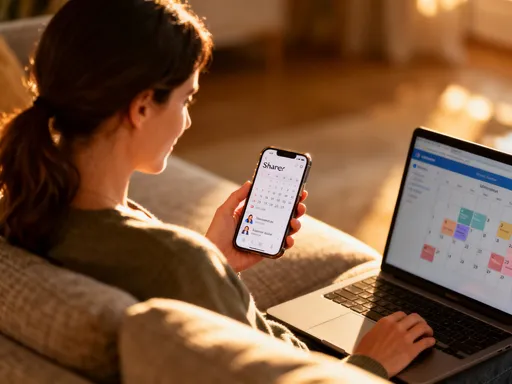
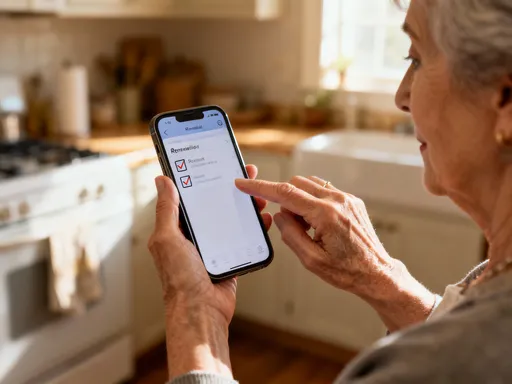
That’s when I discovered sedentary reminder tools. These aren’t flashy or intimidating. Think of them like a gentle tap on the shoulder from a friend. I started using a simple app on my phone that sends a quiet notification every 50 minutes: “Time to stand and stretch.” No pressure, no guilt—just a kind reminder. Some days I’d just stand and roll my shoulders. Other days, I’d walk around the house or do a quick set of calf raises while brushing my teeth.
My friend Jen uses a fitness tracker that vibrates when she’s been still too long. “It’s not loud or annoying,” she said. “It’s like my wrist is whispering, ‘Hey, let’s wake up a little.’” We both chose tools that felt supportive, not stressful. The key was personalization—setting reminders during our actual work hours, choosing gentle sounds, and allowing ourselves to respond in small ways.
What surprised us was how these tiny interruptions added up. After just a few days, we started noticing changes. I felt less stiff in the evenings. Jen said her afternoon brain fog lifted. And both of us were falling asleep faster. It wasn’t magic—it was consistency. Those little moments of movement helped our bodies remember what it felt like to be awake and alive, making it easier to truly rest when bedtime came.
The beauty of these tools is that they meet you where you are. You don’t need the latest smartwatch or a subscription service. Many free apps do the job just fine. The goal isn’t perfection—it’s awareness. Once you start noticing how often you sit, you naturally begin to move more.
From Solo Struggles to Shared Wins: Building a Circle of Support
Here’s the truth: I could have kept using the app alone. But it was easy to ignore the reminders when no one else knew about them. The real shift happened when I invited a few close friends to join me. We created a small group chat—just five of us—and called it “Move & Rest.” No rules, no pressure. Just a space to share our experiences.
At first, it was simple. I’d send a message: “Just stood up and stretched for two minutes—felt amazing!” Jen replied, “I walked around the block during my break. My back thanks me.” Another friend, Maria, shared a photo of her doing calf raises in the kitchen. We weren’t posting perfect workouts—we were celebrating small, real moments.
What made the difference was the sense of connection. When someone sent a “Did you move today?” message, it didn’t feel like a test. It felt like care. We were in this together. On days when I was tempted to skip my reminder, seeing a message from Lisa saying, “Standing up now—join me?” was enough to get me off the couch.
Accountability didn’t feel heavy—it felt light and warm. We weren’t competing. We weren’t comparing. We were simply showing up for each other. And that made all the difference. Studies show that social support increases the likelihood of sticking with healthy habits. But we didn’t need a study to tell us that. We could feel it. Laughter, encouragement, shared struggles—it turned a personal goal into a collective journey.
One evening, Maria texted, “I forgot to move all afternoon, but I just did ten squats in my living room. Victory!” We all cheered her on. That’s the power of a support circle. It turns “I should” into “I did,” and “I can’t” into “I will.”
Small Shifts, Big Changes: What Happened to Our Sleep
After four weeks, we decided to check in—not with data charts, but with honest conversations. We met over coffee (sitting, yes—but we stood up halfway through!) and shared what had changed.
Jen went first: “I fall asleep faster now. Like, within 10 minutes. And I don’t wake up at 3 a.m. with my mind racing.” Lisa added, “I used to need a nap most days. Now I have steady energy. I’m more present with my kids in the evening.” Maria said, “My sleep feels deeper. I wake up feeling like I actually rested.”
I noticed something too: my nighttime restlessness decreased. I wasn’t tossing and turning as much. My body felt more relaxed, especially in my shoulders and back. I realized that those short movement breaks were helping me release tension before it built up. It was like giving my body a mini reset throughout the day.
So how does this work? When you move regularly, even briefly, you improve blood flow, reduce muscle stiffness, and help your nervous system shift from “on” to “off.” Movement also helps regulate stress hormones like cortisol. When cortisol stays high into the evening, it can interfere with melatonin, the hormone that signals it’s time to sleep. By moving during the day, we were helping our bodies maintain a healthier balance.
None of us made drastic changes. We didn’t overhaul our diets or start intense exercise programs. We just moved a little more, more often. And that small shift had a ripple effect on our sleep, our energy, and our mood. It wasn’t about fixing ourselves—it was about listening to our bodies and responding with kindness.
Making It Stick: How to Start Your Own Movement Circle
If this sounds good to you, here’s the best part: you can start today, with almost no effort. You don’t need a big group or expensive gear. You just need one person who’s open to trying something new.
Think of someone in your life—a friend, a sister, a coworker—who also complains about being tired or having trouble sleeping. Send them a simple message: “I’ve been trying to move more during the day to help my sleep. Want to remind each other to stand up and stretch every few hours?” Keep it light. Make it optional. No pressure.
Next, pick a tool that works for both of you. There are free apps like Stand Up! or Move Every Hour that send customizable reminders. Or, if you both have fitness trackers, you can use the built-in sedentary alerts. The goal is to make it easy, not complicated.
Then, create your check-in rhythm. Maybe you text each other at lunchtime: “Did you move yet?” Or you share a quick voice note in the evening: “I walked around the house three times today—small win!” The key is consistency, not perfection. Some days you’ll forget. That’s okay. The circle isn’t about guilt—it’s about grace.
One of my favorite moments was when Jen and I both forgot to move during a busy workday. Instead of feeling bad, we laughed and said, “We need a backup alarm!” So we set a shared reminder for 4 p.m. every day. It became our “pause and reset” moment. Simple, human, effective.
Remember: this isn’t about adding one more thing to your to-do list. It’s about weaving small moments of care into your existing day. And when you do it with someone else, it becomes a shared act of kindness—to your body and to your friendship.
Beyond Sleep: Unexpected Benefits of Moving Together
Here’s what we didn’t expect: the benefits went far beyond better sleep. As we moved more, other parts of our lives began to improve too.
Jen noticed she was more focused at work. “I used to hit a wall around 2 p.m.,” she said. “Now I take a two-minute walk when I get the reminder, and I come back clearer. It’s like a mental reset.” Lisa found she had more energy for family time. “I’m not dragging myself through the evening. I can play with my kids, help with homework, actually enjoy dinner.”
Maria said her mood lifted. “I didn’t realize how much sitting was making me feel sluggish and low. Now I feel more alive during the day, and that carries into my night.” Even our conversations changed. Instead of venting about how tired we were, we started sharing little wins: “I stood up during my phone call!” “I danced while making dinner!”
These small moments created a positive feedback loop. Moving made us feel better, which made us want to move more. And because we were doing it together, it strengthened our bond. We weren’t just improving our health—we were deepening our connection.
One evening, Lisa said, “This feels like a new kind of self-care. It’s not about buying something or doing something fancy. It’s about showing up for ourselves—and each other—in simple, meaningful ways.” And she was right. We weren’t chasing perfection. We were building a habit of care, one small step at a time.
A New Kind of Self-Care: Tech That Connects, Not Isolates
When we think of technology, we often picture isolation—heads down, screens glowing, connections fading. But what if tech could do the opposite? What if it could help us feel more connected, more present, more human?
That’s what happened with our little movement circle. The app didn’t replace our friendship—it enhanced it. The reminders didn’t make us robotic—they made us more aware. And the shared check-ins didn’t feel like chores—they felt like care.
We redefined self-care. It’s not just about bubble baths or solo retreats (though those are nice too). Real self-care can be simple, social, and sustainable. It can be a text that says, “Did you move today?” It can be a shared laugh over forgotten reminders. It can be the quiet pride of knowing you listened to your body—and had a friend who did too.
After 30 days, we didn’t stop. We kept going, not because we had to, but because we wanted to. Our sleep stayed better. Our energy stayed steady. And our friendship grew stronger.
If you’re feeling tired, restless, or just stuck in the same routine, I invite you to try this. Start small. Start with one friend. Use a simple tool. Move a little. Share a little. You might be surprised at how something so small can make such a big difference—not just in how you sleep, but in how you live.
Because sometimes, the best way to care for yourself is to care together. And sometimes, the most powerful technology isn’t in the device—it’s in the connection it helps create.