From Misunderstood to Fully Aligned: How a Simple App Fixed Our Family’s Daily Chaos
You know that feeling when everyone’s talking, but no one’s really connecting? I did—until a tiny app changed how my family shares plans, chores, and even meals. No more missed pickups, double-booked weekends, or 'I thought you were handling that!' moments. It didn’t just organize our schedule—it brought us closer. Here’s how clearer communication quietly transformed our home life.
The Daily Breakdown: When Talking Isn’t Communicating
It used to happen almost every week. My son’s soccer practice would end at 5, and I’d be stuck in a work call, assuming my husband had it. Meanwhile, he was picking up groceries, thinking I was on duty. By the time one of us realized the mix-up, our son had been waiting outside in the cold for twenty minutes. My heart still tightens when I remember that day. It wasn’t anger that drove those moments—it was confusion, exhaustion, and the slow erosion of trust that comes from constant misalignment.
We weren’t lazy. We weren’t uncaring. In fact, we were trying harder than ever. But trying hard doesn’t always mean you’re getting it right. Our family was like a well-meaning orchestra playing without a conductor—everyone hitting notes, but out of sync. We’d talk at dinner about who was doing what, but by morning, it was forgotten. Texts got lost in busy inboxes. Sticky notes disappeared from the fridge. Someone would say, 'I’ll handle it,' and we’d all assume they meant today, not next week.
And it wasn’t just pickups. Dinner was a constant negotiation. 'Did you buy the chicken?' 'I thought you were picking it up.' 'Wait, whose turn is it to cook?' Chores floated in the air like unanswered questions. Weekends? Double-booked without realizing it. One of us would sign the kids up for a birthday party, while the other scheduled a family hike. No malice—just miscommunication layered on top of busy lives.
What I realized wasn’t that we needed to talk more. We needed to communicate better. The problem wasn’t our love or commitment. It was the system—or lack of one. We were relying on memory, good intentions, and last-minute texts. And that, as it turns out, wasn’t enough. We weren’t failing as parents or partners. We were failing our process.
Enter the Quiet Helper: A Tool Built for Real Life, Not Just Tasks
I’d seen all the productivity apps—ones that tracked your water intake, reminded you to stretch, or gave you points for finishing tasks. But that wasn’t what we needed. We didn’t need gamification. We didn’t need another voice in our ears telling us what to do. We needed something gentle, something that felt like it was on our side, not judging us.
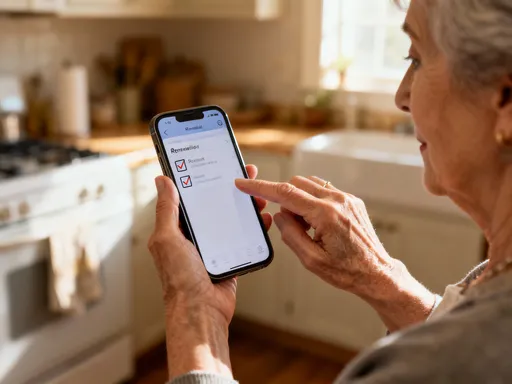
Then I found it—an app that didn’t scream for attention. No flashy graphics, no pushy notifications. Just a clean, calm interface that made it easy to see, at a glance, who was where and when. It wasn’t built for CEOs or influencers. It was built for real families—people juggling school runs, work deadlines, and the mental load of remembering who needs new sneakers.
The first thing it did was bring our calendars together. Not just mine and my husband’s, but the kids’ too. No more logging into three different accounts. Everything lived in one place. When my daughter had a science fair, it didn’t just show up on my phone—it appeared on all of ours. Same with dentist appointments, piano lessons, and even the dog’s vet checkup.
But it went beyond events. Chores were assigned, not as a chore list nailed to the fridge, but as soft reminders. 'Laundry needs folding—tagged to Mom.' 'Take out trash—assigned to Ben.' No nagging. No passive-aggressive Post-its. Just clarity. And the best part? It didn’t make you feel bad if something wasn’t done. It just waited. Patiently. Like a quiet friend who knows life happens.
Even grocery planning got easier. One of us could add an item—'milk' or 'dog food'—and it would appear on the shared list. No more showing up at the store only to realize someone else already bought it. No more five people texting 'Did you get the bread?' It wasn’t magic. It was just visibility.
How It Actually Works: Simplicity That Sticks
I’ll admit, I was skeptical at first. How could an app really fix years of miscommunication? But setting it up was surprisingly easy—less than ten minutes. We each logged in, added our main routines—school hours, work schedules, extracurriculars—and the app automatically created a shared family view. No complicated syncing, no technical jargon. Just drag, drop, and done.
The color-coding was a game-changer. Blue for family time, green for errands, yellow for personal commitments, red for urgent. At a glance, I could see if we were overscheduled or if there was space for a spontaneous movie night. When my husband saw three red blocks in one week, he knew to protect his time. When the kids saw a blue block labeled 'Family Hike,' they got excited, not annoyed.
One of my favorite features? The smart reminders. If my son’s basketball game was at 6, the app would ping us at 5:15 with 'Time to leave—traffic is light.' But if my husband was running late from work, he could tap 'Running 10 mins behind,' and the notification would update for everyone. No more frantic calls. No more yelling, 'Are we leaving or not?' Just a quiet 'He’s on his way. We’ll leave in 10.'
And it learned us. Over time, it started suggesting recurring events. 'Looks like piano lessons are every Thursday at 4. Want to add that?' Yes, please. It didn’t demand perfection. If we forgot to update it, it didn’t send guilt-tripping messages. It just stayed there, ready when we were. That made all the difference. We didn’t feel like we were serving the app. It was serving us.
Beyond Scheduling: The Unexpected Emotional Payoff
I didn’t expect this, but the biggest change wasn’t logistical—it was emotional. The constant low-grade stress of 'Did I miss something?' started to fade. No more lying awake wondering if I’d forgotten to sign the permission slip. No more snapping at my husband because I thought he’d promised to handle dinner.
With the app handling the details, we had more mental space for each other. Conversations at dinner weren’t about logistics. They were about how the kids’ days went, what made them laugh, what they were worried about. We listened more because we weren’t mentally tracking ten to-dos.
And the kids? They felt more involved, not micromanaged. When my daughter saw her dentist appointment on her own phone, she’d say, 'I’ve got this, Mom.' When my son completed his chore and tapped 'Done,' he’d smile like he’d earned a real win. It gave them ownership, not obligation.
My husband and I stopped keeping score. No more 'I did the laundry three times this week—your turn.' Because now, we could both see who had done what. It wasn’t about fairness in a rigid sense. It was about balance. And when balance was visible, it was easier to maintain.
Clarity didn’t make us robotic. It made us more human. We had more patience. More laughter. More moments where someone said, 'I saw you were stressed today—want me to take the kids to practice?' That kind of care doesn’t happen when you’re both drowning in mental clutter.
Making It Yours: Small Tweaks That Make It Stick
The app came with great features, but the real magic happened when we made it our own. We started adding little personal touches that turned it from a tool into a part of our family culture.
One night, my daughter added a 😊 emoji to her 'clean room' task after she finished. Then my son started using ✅. Soon, we were all reacting to completed chores like it was a tiny celebration. It sounds small, but it changed the mood. Chores weren’t just duties—they became accomplishments.
We also started using voice notes. If I was at the store and saw a last-minute ingredient, I’d record a quick 'Grabbing olive oil—do we need anything else?' and send it to the family group. My husband would reply with a voice note from the garage: 'Can you grab batteries too?' It felt more personal than texting. Warmer. Like we were still connected, even when apart.
Every Sunday night, we began a 'gratitude check-in.' Not in the app, but around the table. We’d open the shared calendar and go over the week ahead, but first, we’d share one thing we were grateful for from the past week. 'I’m glad we had taco night.' 'I loved that walk with Dad.' 'Thanks for helping me with my science project, Mom.'
It wasn’t forced. It wasn’t long. But it grounded us. It reminded us that the app wasn’t just about efficiency—it was about connection. And when we combined planning with appreciation, the week ahead felt lighter, more intentional.
Not Just for Families: How Roommates, Couples, and Busy Solos Benefit
I told my friend Lisa about it, and she started using it with her roommate. They’d been struggling with cleaning schedules and bill payments—always wondering who paid the internet or who was supposed to take out the recycling. Within a week, their 'awkward roommate chat' turned into smooth coordination. 'It’s not that we didn’t trust each other,' she said. 'It’s that we didn’t want to nag. Now, it’s just… clear.'
Another friend, Sarah, used it with her husband. They’re both busy professionals, and date nights kept getting canceled. Now, they block them in months ahead. 'It’s like we’re prioritizing us,' she said. 'And when it’s in the calendar, it feels real, not just a maybe.'
Even my cousin, who lives alone, found value. She used to forget to schedule her dentist appointments or cancel self-care plans when work got busy. Now, she blocks 'me time' like any other commitment. 'If it’s not in the app, it doesn’t happen,' she joked. But she wasn’t really joking.
The pattern was the same across all these stories: shared visibility reduces friction. When everyone sees the same information, assumptions disappear. You don’t have to ask. You don’t have to remind. You just know. And that knowing creates space—for peace, for trust, for breathing room in a world that rarely slows down.
The Bigger Picture: Clarity as a Form of Care
Looking back, I realize this wasn’t just about fixing our schedule. It was about caring enough to make life easier for each other. That’s what this app taught me—clarity is a love language. When you take the time to make things visible, to reduce the mental load on your partner, your kids, your roommate, you’re saying, 'I see you. I want this to be easier for you.'
Clear communication isn’t cold. It’s not robotic. It’s one of the most thoughtful things you can do for someone you love. It means you’re not making them guess. You’re not expecting them to read your mind. You’re giving them the gift of certainty in a world full of chaos.
And the peace it brings? It’s real. It’s not flashy. It doesn’t show up in photos or get praised on social media. But it’s in the quiet moments—when you’re not arguing about dinner, when you’re not rushing to a game you forgot about, when you’re actually present because your mind isn’t racing through a to-do list.
That little app didn’t change our love for each other. That was always there. But it removed the noise that was drowning it out. It gave us back time, patience, and presence. And honestly? That’s more than I ever expected from a piece of technology.
So if you’re feeling the weight of constant miscommunication, if you’re tired of the 'I thought you were handling that' moments, I get it. And I’ll say this: don’t wait for a crisis to try something new. Start small. Try one tool. See if it helps. Because sometimes, the biggest shifts come from the quietest changes. And sometimes, a simple app can do more than organize your week—it can bring your family closer, one clear plan at a time.