Tired of Family Chaos Around Rides? How One Tool Brought Us Back on Track
We’ve all been there—missing pickups, double-booked cars, or that sinking “Did I leave the keys?” moment. I used to dread coordinating drives with my family. Between school drop-offs, grocery runs, and weekend errands, our car schedule felt like a game of musical chairs—except no one knew the rules. My husband thought I was picking up the kids. I assumed he had the van. Our teenager took spontaneous trips without telling anyone. The car, which was supposed to make life easier, had become a daily source of stress. Then I discovered something simple but life-changing: tracking our driving habits wasn’t about data, it was about trust, timing, and peace of mind. This is the quiet tech upgrade that finally made our days flow—no drama, just smarter moves.
The Daily Drive Dilemma: When Cars Cause Conflict
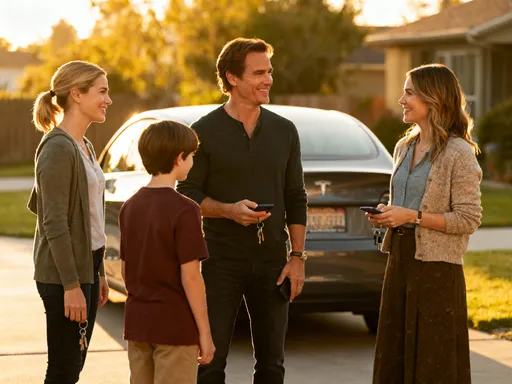
Let’s be honest—most family arguments don’t start over big issues. They start over small things that pile up, like who’s supposed to drive where and when. I remember one Tuesday morning when both my husband and I showed up at work, each thinking the other had taken the kids to school. We hadn’t talked about it the night before, and no one had checked the car’s location. It wasn’t until 8:15 a.m. that we both got frantic texts from our daughter’s teacher. That day was a mess—rushed calls, guilt, and a long explanation to the school. But it wasn’t the first time, and I knew it wouldn’t be the last unless we did something different.
Our household runs on two cars, but somehow, it never feels like enough. The problem wasn’t the number of vehicles—it was the lack of clarity. My husband often left for early meetings without confirming who needed the van later. Our older son, now 16, started using the second car more often, sometimes without saying a word. One evening, he came home an hour past curfew, and when I asked where he’d been, he said, “Just driving around.” I wanted to trust him, but the uncertainty gnawed at me. Was he safe? Was he with friends? Was the car okay? These questions turned into tension, and that tension spilled into every other part of our lives.
What surprised me most was how much emotional weight a simple car could carry. It wasn’t just about transportation—it was about responsibility, trust, and fairness. When one person used the car more, others felt inconvenienced. When plans changed last minute, someone always ended up stranded. We weren’t fighting about the car itself; we were fighting about feeling unseen, unheard, and unconsidered. The car had become a symbol of imbalance, and I knew we needed a reset—not just a new rule, but a new way of seeing things.
Discovering the Hidden Pattern: Seeing Our Habits Clearly
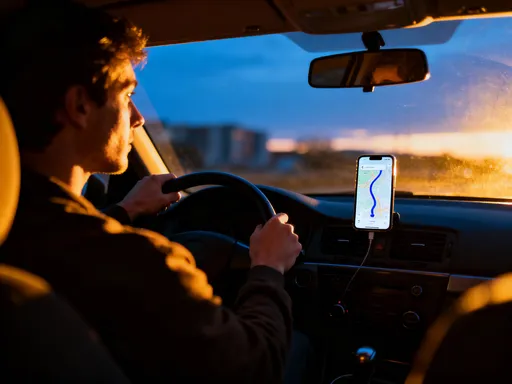
The turning point came when a friend mentioned she used a simple app to track her family’s driving. At first, I thought it sounded a little extreme—like big-brother territory. But she explained it wasn’t about spying. It was about awareness. She could see when her husband left for work, when her daughter got home from practice, and whether the car was being used efficiently. It helped them plan better and reduced misunderstandings. I was skeptical, but desperate. So I downloaded a similar app—nothing fancy, just a tool that showed real-time location, trip duration, and driving times.
The first week of data shocked me. I had no idea how often the car was in use—or how much time was being wasted. My husband’s “quick lunch run” turned into a 45-minute trip that included a stop at the hardware store and a coffee detour. Our younger son’s “ride to a friend’s house” often stretched into two-hour loops around town. And me? I thought I was being efficient, but I realized I was making multiple short trips each week—groceries, dry cleaning, library books—when I could have combined them. The app didn’t judge. It just showed the truth.
What surprised me most was how emotional the data felt. Seeing the timeline laid out made me realize we weren’t lazy or irresponsible—we were just out of sync. No one was trying to inconvenience anyone else. We were all just doing our best without a shared picture. The app didn’t assign blame. Instead, it removed the guesswork. When I saw that my daughter’s soccer practice ended at 6:03 p.m., not 6:30 as I’d assumed, I stopped being annoyed when she texted late. She wasn’t ignoring me—she was actually on time. That small shift in perspective changed everything.
Over time, we started noticing patterns. Weekends were the busiest, with overlapping needs. Midweek mornings were chaotic because no one left early enough. And late-night drives spiked during exam season—our son was studying at a friend’s house and driving home tired. None of this was obvious before. But now, with a clear view, we could plan with compassion instead of frustration.
From Data to Dialogue: Talking Without Fighting
Here’s what I didn’t expect: the app didn’t just give us data—it gave us better conversations. Before, a late return would trigger a sharp text: “Where are you?” Now, it starts with, “Hey, I see you’re still out. Everything okay?” That small change in tone made a huge difference. Instead of defensiveness, we got honesty. Instead of arguments, we got connection.
I remember one Friday night when my son came home nearly an hour late. In the past, I would have been furious. But this time, I checked the app first. I saw he’d made an extra stop at the pharmacy. When he walked in, I said, “I noticed you picked something up—everything alright?” He looked surprised, then relieved. “Yeah,” he said. “One of my friends wasn’t feeling well, so I grabbed some medicine for him.” That moment could have ended in a lecture. Instead, it became a point of pride. He felt seen not as a rule-breaker, but as someone stepping up.
For my husband and me, the app became a neutral third party in our discussions. Instead of saying, “You always take the car when I need it,” I could say, “I noticed you’ve had it Tuesday mornings for the past three weeks. Is that going to continue?” It removed emotion and made it easier to find solutions. We started having weekly check-ins—just 10 minutes after dinner—where we’d review the past week’s driving and plan the next. It sounds small, but those moments built trust. We weren’t managing a car. We were managing our lives—together.
Even our younger daughter got involved. At 12, she doesn’t drive yet, but she loves checking the app to see when her siblings are on their way home. “Mom, Jake’s leaving school—he’ll be here in 12 minutes!” she’ll announce. It gives her a sense of control and connection. And for me, it’s one less thing to monitor. The app didn’t replace parenting. It just made communication clearer, kinder, and more consistent.
Smarter Scheduling: Matching Rides to Real Life
Once we could see our patterns, we started redesigning our routine. We stopped trying to force a rigid schedule and instead built one that matched how we actually lived. For example, I noticed my husband often left for work at 7:15 a.m., but our older son didn’t need a ride until 7:45. That 30-minute gap was perfect for a quick grocery run. So we shifted my shopping to weekday mornings. I could drop off laundry, grab milk, and be home by 8:30—all without adding extra trips on already busy weekends.
We also started combining pickups. Our daughter’s dance class ends at 5:20, and her brother’s baseball practice ends at 5:30. They’re only five minutes apart. So now, whoever has the car picks up both. The app shows their locations in real time, so we know exactly when to leave. No more circling the lot or waiting in the cold. No more “I thought you were getting her!” moments. It’s a small change, but it’s saved us hours each week.
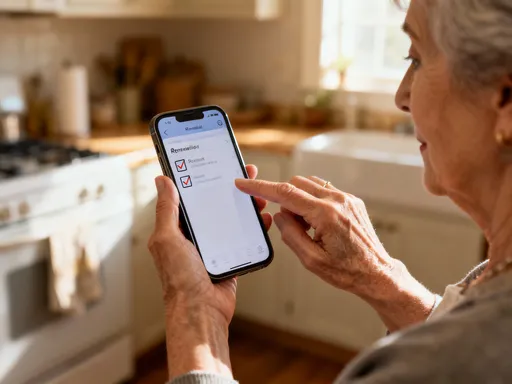
Another win was weekend planning. We used to argue over who could use the car on Saturday afternoons. Now, we sit down Friday night and look at the app’s forecast—based on past usage—to predict demand. If we see that Saturday mornings are usually light, we assign the car to whoever has the biggest need. We also set shared reminders: “Groceries needed,” “Gas below half,” “Van due for oil change.” These little nudges keep us proactive instead of reactive.
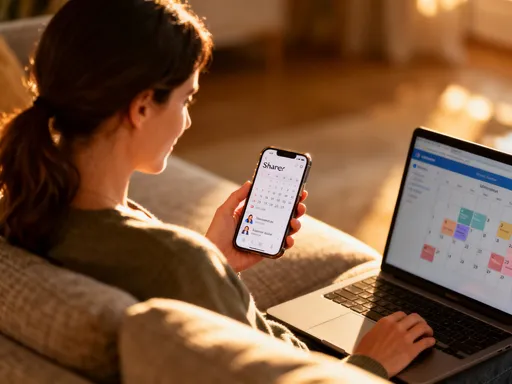
The best part? We’re using less gas, the cars are better maintained, and no one feels left out. The app’s timeline view made it easy to visualize our week at a glance. We color-coded family members, so it’s simple to spot overlaps. It’s not about control—it’s about collaboration. And for the first time in years, I feel like we’re truly sharing the car, not fighting over it.
Teaching Responsibility Without Nagging
As parents, we all want our kids to grow into responsible adults. But teaching responsibility doesn’t have to mean constant reminders, lectures, or power struggles. With the app, we found a gentler way. For our teens, it wasn’t about surveillance—it was about self-awareness. We didn’t hide the app. We introduced it as a family tool and invited them to use it too.
At first, our son was suspicious. “You’re going to track me?” he asked. So we sat down and showed him the data—not to criticize, but to reflect. “Look,” I said. “You took the car five times last weekend. That’s more than anyone else. How did that feel?” He paused. “I guess I didn’t realize,” he said. “It was just easy to grab it.” We talked about balance, fairness, and how constant use might wear down the car. Instead of rules, we set goals: “Can you try to reduce weekend trips by one? See how it feels.”
A few weeks later, he surprised us. “I biked to the library,” he said. “I didn’t need the car.” That small win meant everything. He wasn’t being forced—he was choosing. The app gave him the feedback loop he needed to see his own behavior and adjust. No nagging. No tension. Just growth.
We also used the app to teach practical skills. When his driving time dropped during midterms—because he was studying at home—we celebrated. “You’re managing your time better,” I said. “Look how much calmer the week feels.” We tied driving privileges to awareness, not punishment. If he forgot to check the gas level, we didn’t take the keys—we reviewed the app together and talked about planning ahead. It turned mistakes into learning moments, not battles.
Calmer Homes, Smoother Mornings
It’s amazing how much peace a well-managed car can bring to a home. Since we started using the app, our mornings are quieter. No more yelling, “Who has the keys?” No more last-minute scrambles. Everyone knows the plan. The app sends a notification when the car leaves, so I know when my husband is on his way home. Our daughter checks it before heading to the bus stop, just to confirm her brother isn’t using the van. It’s become part of our rhythm.
But the change goes deeper than convenience. The reduction in car-related stress has improved our family’s overall mood. We argue less. We listen more. We feel more in sync. I’ve noticed that when one part of life runs smoothly, it lifts everything else. Homework gets done earlier. Dinners are calmer. Even bedtime feels less rushed. It’s not magic—it’s momentum. One small fix created space for better habits, better communication, and more patience.
I also feel more in control as a parent. I’m not guessing anymore. I’m not worrying in silence. I have information, and with it, I can respond with care instead of panic. When my son drives late, I don’t assume the worst. I check the route, see he’s on a familiar road, and trust that he’s okay. That trust strengthens our relationship. And when he knows I’m not micromanaging, he’s more likely to share voluntarily.
Our home isn’t perfect. We still have busy days and occasional miscommunications. But the car is no longer a flashpoint. It’s a tool we use together, with respect and clarity. And that shift has brought a quiet kind of joy—the kind that comes from feeling organized, supported, and connected.
A Simpler Life, One Drive at a Time
Looking back, I realize we weren’t really struggling with the car. We were struggling with communication, trust, and the daily weight of keeping a family running smoothly. The app didn’t solve everything—but it gave us a starting point. It helped us see what we couldn’t see before: our patterns, our assumptions, and our blind spots. And once we could see them, we could change them.
What started as a fix for missed pickups became something much bigger. It became a practice in mindfulness, in teamwork, in growing up together. The data didn’t make us perfect. But it made us kinder. It reminded us that we’re all doing our best, and that a little clarity can go a long way.
I won’t pretend this tool will work for every family. But if you’re tired of the car chaos, if you’re sick of the arguments and the anxiety, I encourage you to try something—anything—that brings more light into the process. It doesn’t have to be high-tech. It could be a shared calendar, a whiteboard in the kitchen, or a simple check-in routine. The goal isn’t control. It’s connection.
Because at the end of the day, it’s not about who drives when. It’s about creating a home where everyone feels seen, supported, and part of the team. And sometimes, the smallest tools can help us get there—one drive, one conversation, one moment of understanding at a time.