I can’t keep up with plans anymore — How I finally stopped juggling sticky notes and found real flexibility
Life moves fast, and keeping track of gatherings, family check-ins, or even coffee dates started to feel overwhelming. I was drowning in calendar alerts, group chat chaos, and forgotten to-dos. But then I found a better way — not with a fancy tool, but with how I *use* event organization apps differently. It’s not about doing more; it’s about feeling less stressed and more in control. This is how one small shift made my schedule work for *me*, not the other way around.
The Breaking Point: When “I’ll Figure It Out Later” No Longer Worked
There was a Saturday last spring when I realized I couldn’t keep pretending I had it all under control. I was halfway through baking my nephew’s birthday cake when I got a text from my sister: “You’re coming to dinner tonight, right?” My stomach dropped. I had completely forgotten it was his birthday. Not because I didn’t care — I love that kid — but because I had been relying on memory, sticky notes on the fridge, and a calendar I only checked when I remembered to. That night, I showed up late with a slightly lopsided cake and a heart full of guilt. And that wasn’t even the worst of it. The next weekend, I double-booked myself — a volunteer shift at my daughter’s school and a doctor’s appointment for my mom, both at 10 a.m. I had to cancel on the school, and the coordinator gave me that polite but disappointed look that stung more than any scolding.
It wasn’t laziness. I wanted to be present for my family, to show up for my friends, to take care of my responsibilities. But the system I was using — or rather, not using — wasn’t working. I kept telling myself, “I’ll figure it out later,” but later never came. The truth was, my life had become too full for mental notes and scraps of paper. Between school events, aging parents, work deadlines, and trying to squeeze in a little time for myself, the weight of remembering everything was exhausting. I wasn’t just forgetting things — I was feeling like I was failing the people I loved. The emotional toll was real: stress, guilt, and a constant low-level anxiety that I was one missed text away from dropping a ball I couldn’t afford to drop.
That’s when I realized the problem wasn’t time. I had the same 24 hours as anyone else. The problem was *flexibility*. My old way of planning was rigid — if something changed, the whole thing collapsed. A canceled appointment didn’t automatically free up space. A last-minute invitation meant digging through notes to see if I was “free.” There was no room for life to happen. I needed a system that could bend, not break, when plans changed — which, let’s be honest, is basically every week.
Discovering the Right Tools — Not Just Another App Alert
I’ll admit, I used to roll my eyes at people who lived by their calendars. I thought, “That’s so rigid. What if something comes up?” But then I started noticing how calm and put-together those people seemed. They weren’t stressed about forgotten plans or double bookings. They just… knew. So I decided to give it a real try — not just downloading an app and forgetting it, but actually using it as part of my daily rhythm.
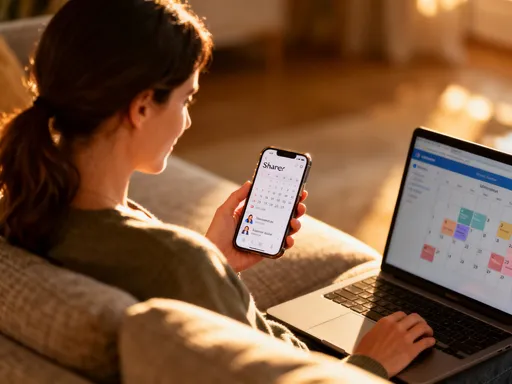
I started simple. I picked one app — something most of us already have on our phones, no extra cost — that syncs across my devices. That was key. If I added something on my phone while waiting in the school pickup line, I didn’t want to have to re-enter it on my laptop later. The first thing I did was enter the big stuff: my daughter’s soccer games, my mom’s doctor visits, my sister’s book club get-togethers. Just seeing it all in one place was a relief. But the real game-changer was learning to use the app not as a strict timetable, but as a living, breathing tool.
For example, instead of scheduling a workout for “Tuesday at 6 p.m.” and feeling guilty when I missed it, I created a “Move My Body” event that could float within a three-day window. The app reminded me daily, but I could reschedule it with one tap. If a friend called and needed to talk, I could shift it without feeling like I’d failed. I also started using shared events. When my sister and I planned a weekend visit with Mom, we created a joint event. She could add notes like “Mom loves the chocolate cake from that bakery,” and I could update the drive time. No more back-and-forth texts. No more confusion.
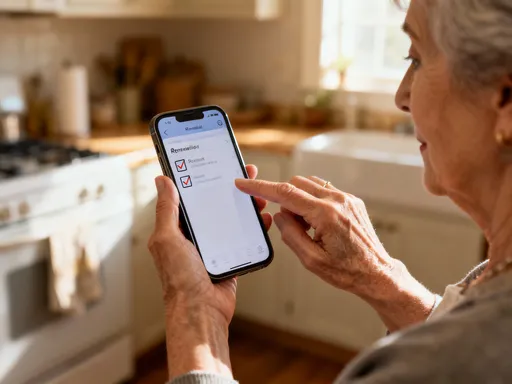
What surprised me most was how much less robotic it felt once I stopped treating the calendar like a boss and started seeing it as a helper. The automatic reminders weren’t nagging — they were like a gentle nudge from a friend. “Hey, don’t forget — your best friend’s birthday is tomorrow.” And because the app learned my patterns — like how I always forget to call my brother on Sundays — it started suggesting reminders at just the right time. This wasn’t about becoming some hyper-organized robot. It was about giving my brain a break so I could focus on what really mattered.
Flexibility as Freedom — Reclaiming Space in a Packed Life
Here’s the thing no one told me: when your schedule is too rigid, even small changes feel like disasters. But when it’s flexible, life doesn’t have to stop when plans shift. I used to think flexibility meant being disorganized — like, “I’ll just wing it.” But now I see it’s the opposite. True flexibility comes from having a system that can adapt, so you don’t have to panic when something changes.
Take last month, for example. I had planned a family dinner for Friday night. I’d even bought the groceries. But Thursday afternoon, my daughter called from college, stressed about an exam and needing to talk. Instead of brushing her off or rescheduling guiltily, I opened my calendar, moved the family dinner to Saturday, invited everyone with a quick update, and spent the evening on the phone with her. No chaos. No last-minute scramble. Just a quiet shift that honored what mattered most in that moment.
That’s the freedom I’ve gained — not more time, but more peace. I’m not constantly worried about forgetting something important. I don’t lie awake at night wondering if I missed a deadline or hurt someone’s feelings by not showing up. The mental load has lightened. And that’s made space for something I didn’t expect: presence. Because I’m not juggling a million mental to-dos, I can actually enjoy the moments I’m in. When I’m at my mom’s house, I’m not thinking about the grocery list. When I’m on a walk, I’m not rehearsing a to-do list in my head. I’m just there.
The shift wasn’t in the tools — it was in the mindset. I stopped asking, “How can I fit everything in?” and started asking, “What do I want to make space for?” And that small change made all the difference. My calendar no longer dictates my life. It reflects it. It’s not a list of obligations — it’s a map of what I care about. And when something new comes up, I don’t feel trapped. I adjust, breathe, and keep going.
Making It Work: How I Use Event Tools in Real Life
You might be wondering, “Okay, but how does this actually look in a busy week?” Let me walk you through mine. On Sunday evenings, I spend about 15 minutes reviewing the week ahead. I open my calendar and look at what’s already there — work meetings, school events, appointments. Then I add what I call “intentional gaps.” These aren’t empty spaces — they’re placeholder events labeled things like “Me Time,” “Catch-Up,” or “Open for Joy.” They’re usually two-hour blocks, not tied to a specific task. If nothing comes up, I might use them to read, take a long walk, or just sit with a cup of tea. But if a friend calls and says, “I need a coffee date,” I can say yes without rearranging my whole week.
I also use recurring events for things that matter but are easy to forget. Every Tuesday at 8 p.m., I have a “Call Mom” event. It’s not because I don’t love talking to her — it’s because I *do*, and I don’t want life to get in the way. The reminder pops up, and even if we only talk for ten minutes, it keeps us connected. Same with my monthly check-in with my best friend. We both add it to our calendars, and it’s become something we both look forward to — a small anchor in a busy world.
One of my favorite features is the ability to create “tentative” events. When someone suggests a gathering two weeks out, instead of committing on the spot, I create a soft event with a note: “Potential lunch with Sarah — confirm in 5 days.” That way, I’m not overbooking, but I’m also not forgetting to follow up. And when plans change — which they always do — I can update it with one tap, and everyone in the shared event gets notified. No more “Wait, were we still on for Friday?” texts.
What’s made this sustainable is that it’s not about perfection. Some weeks, I forget to review. Some days, I ignore the reminders. But that’s okay. The system is forgiving. It doesn’t judge. It just helps me get back on track. And over time, these small habits have added up to a bigger change: I feel more in control, not because I’m doing more, but because I’m reacting less.
Beyond Scheduling — Strengthening Relationships Through Shared Planning
One of the most unexpected benefits of this shift has been how it’s brought my family closer. We used to have so many misunderstandings — “I thought you were picking up Mom,” “I didn’t know you were busy that night.” Now, we share a family calendar. It’s not about surveillance or control. It’s about care. When my sister adds her yoga class, it’s not just for her — it’s so I know when she’s unavailable and can plan around it. When my nephew marks his school play, it’s an invitation, not just an event.
We’ve also started using shared event notes. Before a visit to Mom, someone might add, “She’s been tired — bring her favorite soup.” Or, “Dad loved the photos you shared last time — bring more.” These little touches make the visits more meaningful. And because we can all see updates in real time, there’s less pressure to “keep everyone in the loop” with constant texts. I don’t have to be the family secretary anymore, and that’s been a gift.
With friends, it’s been just as powerful. Instead of playing calendar tag — “Are you free next Thursday?” “Maybe, let me check” — we share availability. When someone wants to meet, they can see a few open slots and suggest one. It’s respectful of everyone’s time and removes the awkward back-and-forth. And because the event stays in the calendar, it’s less likely to be forgotten. I’ve had friends tell me, “I love that I can just look at the calendar and know when we’re seeing you.” It feels like a quiet promise — not just of a plan, but of presence.
This isn’t about turning relationships into spreadsheets. It’s about using technology to remove friction so we can focus on connection. When the logistics are handled with kindness and clarity, there’s more room for laughter, for deep talks, for just being together. And that, to me, is the real win.
Small Habits, Big Shifts — Building a System That Lasts
If you’re thinking about trying this, my biggest piece of advice is: start small. You don’t need to overhaul your entire life in one weekend. Pick one thing — maybe a weekly call with a parent, or a self-care block — and put it in your calendar. Use the reminder. See how it feels. If it works, add another. The goal isn’t to fill every hour, but to create a rhythm that supports you.
Choose one tool and stick with it for at least a month. Don’t jump from app to app looking for the “perfect” one. Most of us already have a solid calendar on our phones — use that. Learn its features. Play with shared events, recurring reminders, color-coding. Make it yours.
And build in a weekly review. I do mine on Sunday nights with a cup of tea. I scan the week ahead, adjust what needs to change, and add those intentional gaps. It takes 15 minutes, but it sets the tone for the week. If you miss it, that’s okay. Just pick it up again.
One thing I’ve learned is that resistance is normal. Some people in my life were hesitant at first — “I don’t want to be tied to a schedule,” or “What if I can’t be spontaneous?” But I’ve found that the opposite is true. Having a framework actually makes spontaneity easier, because you know what’s truly open. And you can always say, “Let’s just go — I’ve got a free block tomorrow afternoon.”
Consistency matters more than perfection. Some weeks will be messy. That’s life. But the calendar is always there, ready to help you regroup. And over time, these small actions build a system that works for you — not against you.
The Real Win: Feeling More Present, Not Just More Productive
When I look back at how I used to live — sticky notes everywhere, a constant hum of anxiety, the guilt of missed moments — I realize I wasn’t just managing time. I was surviving it. Now, I’m not just getting things done. I’m feeling better. More at peace. More connected.
The real win isn’t a perfectly color-coded calendar. It’s the quiet joy of showing up — really showing up — for the people and moments that matter. It’s knowing I didn’t forget my niece’s recital. It’s having the mental space to listen when a friend calls in crisis. It’s taking a walk without thinking about my to-do list. It’s choosing what matters and protecting that space.
Technology didn’t solve my life. But used the right way, it gave me back something precious: flexibility. Not the kind that means “I can do anything,” but the kind that means “I can choose what’s important, and adjust without falling apart.”
If you’re feeling overwhelmed, I want you to know — it’s not you. It’s the system. And you don’t need more time. You need a better way to use the time you have. Start small. Be kind to yourself. Let the tools help. And remember: the goal isn’t to do more. It’s to feel more — more peace, more love, more life. And that’s something worth scheduling.