From Distant to Deeply Connected: How Travel Safety Tech Revived Our Friendship
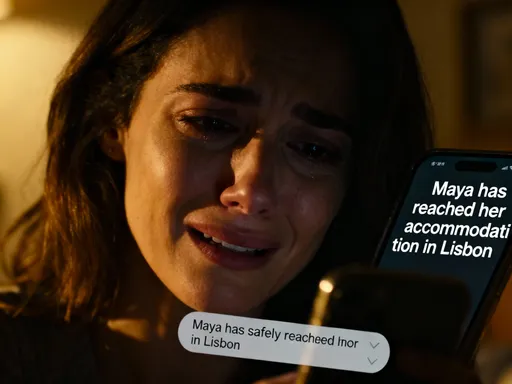
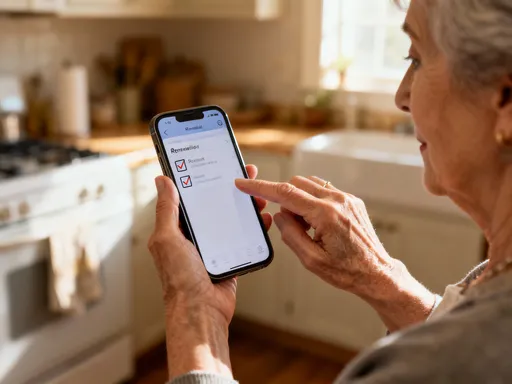
Stuck in different countries and slowly drifting apart, my best friend and I thought our close bond was fading. But then, a simple app notification changed everything—real-time location sharing during her solo trip sparked a moment of care, trust, and connection we hadn’t felt in years. Technology, designed for safety, unexpectedly became the bridge that brought us emotionally closer. It wasn’t a grand gesture or a long-overdue phone call. It was a quiet ping on my phone: “Maya has safely arrived in Lisbon.” In that moment, something shifted. I wasn’t just reminded she was okay—I felt needed again. And that tiny alert became the start of something much bigger: the reawakening of a friendship I thought had quietly slipped away.
The Slow Drift: When Life Pulls Friends Apart
We used to be inseparable. Maya and I met in college, bonding over late-night study sessions, mismatched socks, and dreams of traveling the world together. Back then, our phones were always buzzing—silly memes, voice notes of us laughing at nothing, photos of our breakfasts with the caption “You’d hate this.” We planned trips months in advance, counting down the days together. But life, as it does, started moving faster. She took a job in London, and I stayed in Chicago to grow my career in education. Suddenly, time zones weren’t just numbers on a screen—they were walls between us. A text sent at my lunchtime arrived at her midnight. A call I wanted to make after a tough day meant waking her up.
At first, we tried to keep up. We scheduled weekly video calls, but they became shorter, then less frequent. Excuses piled up: “I’m swamped,” “The kids are loud,” “I’ll call you tomorrow.” And tomorrow never came. I’d see her social media posts—beautiful sunsets in Europe, cozy coffee shops, weekend hikes—and feel a pang of joy mixed with guilt. I was happy for her, but I missed being part of her story. It wasn’t anger or betrayal. It was silence. The kind that grows when two people care but don’t know how to reach across the gap anymore.
Then came her trip to Portugal. She’d been talking about it for months—finally taking time for herself, exploring Lisbon solo. I was proud of her courage, but I worried. Not in a dramatic way, but the small, quiet kind of worry that lingers when someone you love is far away. I didn’t want to nag. I didn’t want to be “that friend” who turns every update into a safety check. But I couldn’t help it. And then, the notification arrived: “Maya has safely reached her accommodation in Lisbon.” It wasn’t from a text. It was from a travel safety app she’d started using. And in that moment, I realized something: we weren’t drifting because we didn’t care. We were drifting because we’d lost our rhythm. And this tiny digital gesture—this quiet, automatic update—was the first beat of a new one.
A New Kind of Check-In: Safety Alerts That Feel Like Love
For years, staying in touch meant effort. We had to remember to call. We had to pick up the phone, find the time, start the conversation. But this was different. The alert didn’t ask anything of me. It didn’t need a reply. It wasn’t a demand for attention. It was a gift—delivered quietly, automatically, thoughtfully. And yet, it meant everything. Because it said, “I thought of you. I wanted you to know I’m safe. You matter to me.”
Think about how often we say “I’m fine” when we’re not. Or send a quick “Landed!” text when we’re actually exhausted, overwhelmed, or already lost in a new city. Those messages are kind, but they’re also easy to send—and easy to ignore. But a safety alert? That’s different. It’s passive. It’s automatic. It doesn’t rely on willpower or memory. It’s proof that someone built care into their routine. Maya didn’t have to remember to text me. The app did it for her. And in that, I felt seen. Not because she went out of her way, but because she set up a system that included me—without words, without effort, just presence.
I started looking forward to those alerts. When she checked into her train to Porto, I got a ping. When she left her Airbnb in the morning, another. None of them required a response, but each one sparked a little joy. I’d smile, pause my day, and think, “She’s moving through the world, and I’m still part of it.” That’s the magic of these tools—they turn safety into connection. They don’t replace conversation. They make space for it. Because when you’re not worried, you’re more open to talking. When you feel cared for, you’re more likely to reach back. And slowly, our texts started to flow again—not just updates, but real exchanges. “The light in Sintra is magical,” she wrote. “You’d love it here.” And I replied, “Tell me everything,” and meant it.
Shared Maps, Shared Hearts: Navigating Cities and Emotions Together
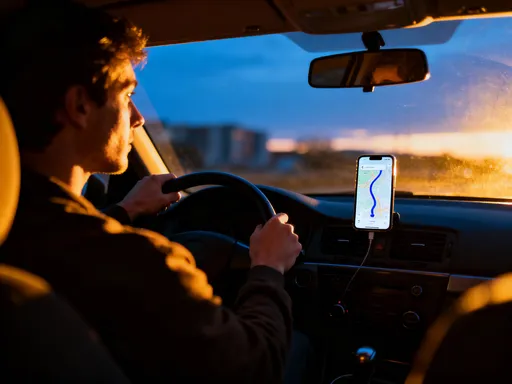
One afternoon, she called me from the middle of Lisbon. “I’m lost,” she said, laughing. “But I’m using the shared map feature. Can you help?” I pulled up the app on my phone and saw a tiny blue dot moving through the winding streets of Alfama. I could see her route, her speed, even when she paused. It was like having a window into her world. I guided her—“Turn right after the yellow building,” “Walk past the flower stand, then look for the church”—and suddenly, I wasn’t just hearing about her trip. I was in it.
We started making this a habit. Every time she explored a new city, she’d activate the shared map. I’d sit on my couch with my tea, following her journey like it was my own. When she stopped at a bookstore, I’d say, “Take a photo of the cover you’re looking at!” When she found a tiny pastry shop with custard tarts, I’d beg her to describe the smell. It became our version of hanging out. We weren’t sharing a meal or a walk, but we were sharing attention, curiosity, joy. And that, I realized, is what friendship is made of—not just time, but presence.
What surprised me most was how emotional it felt. One evening, she was walking along the Tagus River at sunset. I watched her dot move slowly along the water, pausing now and then. I could almost feel the breeze, hear the waves. I sent her a message: “It looks peaceful there.” She replied, “It is. I wish you were here.” And instead of feeling sad, I felt close. Because in a way, I was. The map didn’t erase the miles. But it turned distance into something we could navigate together. It reminded me that friendship isn’t about being in the same place. It’s about being in each other’s worlds.
Real-Time Reassurance: When Peace of Mind Becomes a Gift
Here’s what no one tells you: worrying about someone you love is exhausting. It drains your energy, steals your sleep, and makes you irritable. I didn’t realize how much mental space I was giving to “Is Maya okay?” until that space started to empty. With the safety alerts and shared map, I stopped imagining the worst. I stopped checking her social media every few hours, looking for signs she was alive. I stopped waking up in the middle of the night, wondering if she’d made it back to her hotel safely.
And here’s the beautiful twist: that peace of mind wasn’t just a gift to me. It was a gift to her, too. “I go on more adventures now,” she told me once, “because I know you’re just a tap away.” She felt freer to explore, to say yes to last-minute plans, to wander without anxiety—because she knew I wasn’t sitting at home, tense and waiting. The technology didn’t make her need me less. It made it easier for her to be independent while still feeling connected. And that, I’ve learned, is the foundation of any strong relationship—trusting someone enough to let them go, and loving them enough to stay close.
We started talking more, not less. Because we weren’t talking to relieve worry—we were talking to share joy. “I found a hidden garden,” she’d say. “Send me the address,” I’d reply. “I want to see it.” Our conversations became lighter, deeper, more natural. We weren’t performing. We weren’t catching up. We were just being friends again. And all of it started with a feature I once thought was only for parents tracking kids or partners monitoring each other. But used with trust and care, it became something else entirely: a language of love in the digital age.
Turning Panic into Presence: The Night Her Phone Died in Barcelona
It happened on a Friday night. Maya was in Barcelona for a weekend getaway. She’d checked in at her hotel, sent a photo of the rooftop view, and then—silence. I didn’t think much of it at first. People unplug. But after an hour, her location stopped moving. After two, it hadn’t updated. My stomach tightened. I told myself to calm down. But by the third hour, I was pacing. I called. No answer. I texted. No reply. The app showed her last location—a quiet street near Park Güell—but nothing since. My mind raced through every worst-case scenario. Had she gotten lost? Was she hurt? Did something happen?
Forty minutes later, my phone buzzed. “Battery died, sorry! Charging now.” Relief washed over me like a wave. I laughed, half-angry, half-glad. But in that moment of panic, I realized something important: I hadn’t just missed her. I had *needed* to know she was safe. That tiny digital thread—her live location, her check-ins—had become part of my emotional fabric. It wasn’t about control. It wasn’t about surveillance. It was about care. And when it broke, I felt untethered.
What surprised me was Maya’s reaction. She didn’t brush it off. She said, “I’m sorry I worried you. I didn’t realize how much this meant to you.” And then she added, “Next time, I’ll carry a power bank. For me—and for you.” That hit me deep. She wasn’t just thinking about her own safety. She was thinking about my peace of mind. That night didn’t break our system. It strengthened it. Because it showed us both how much we still cared. Technology didn’t prevent the scare—but it gave us a way to talk about it, to understand each other’s fears, and to grow closer because of it.
Beyond Safety: Building Rituals Around Technology
When Maya came back from her travels, I thought we’d go back to the old silence. But something had changed. We didn’t want to lose this new rhythm. So we kept using the app—not just for trips, but for everyday life. Every Sunday, we go for a walk—she in London, me in Chicago—and we turn on live location sharing. It’s become our ritual. I’ll walk through my neighborhood park, watching her dot move through Hampstead Heath. We talk on the phone, sharing what we see: “There’s a dog wearing a sweater,” “I passed a street musician playing ‘Here Comes the Sun.’” It’s simple. It’s quiet. But it’s ours.
We’ve stopped seeing the app as a safety tool and started seeing it as a connection tool. It’s not about tracking. It’s about sharing space, even when we’re miles apart. It’s about saying, “I’m here. I’m moving through my day. And I want you to be part of it.” We don’t use it all the time. But when we do, it feels intentional. Like we’re choosing each other, again and again.
Other friends have noticed. “You two are always in sync,” one said. “How do you stay so close?” I didn’t know how to explain it at first. It’s not just the calls or the texts. It’s the small, consistent gestures—the automatic check-ins, the shared maps, the Sunday walks. It’s using technology not to replace presence, but to create it. And it’s taught me that the best tools aren’t the ones that do the most. They’re the ones that help us care better, love deeper, and stay close—without trying too hard.
Friendship, Reinvented: How Small Tech Gestures Create Lasting Bonds
This isn’t a story about apps. It’s a story about love. About how a feature designed for safety—a simple location update—became a language of care between two friends who thought they’d lost their way. We didn’t need a grand reunion or a dramatic conversation to fix what was broken. We needed a tiny, quiet signal that said, “I’m here. You matter.” And technology gave us that.
What I’ve learned is that connection doesn’t have to be loud to be powerful. It doesn’t have to be daily to be deep. Sometimes, it’s a single notification that reminds you you’re not forgotten. Sometimes, it’s a blue dot moving through a foreign city, letting you know someone is thinking of you. And sometimes, it’s the choice to keep showing up—not perfectly, not constantly, but consistently.
Maya and I still live in different time zones. Our lives are still busy. But we’re no longer drifting. We’ve built a new rhythm—one that works for us, for our lives, for our love. We use technology not to fill the silence, but to honor the connection. And in doing so, we’ve rediscovered something beautiful: that friendship isn’t about how often you talk. It’s about how deeply you care. And sometimes, all it takes is one small, thoughtful gesture—powered by a little tech, but filled with a lot of heart—to bring two people back together, no matter how far apart they are.