Tired of feeling lost on every road trip? How your map app quietly tracks your journey
Have you ever looked at your phone’s map app and realized it’s been watching you—learning your routes, guessing your destination, and even predicting when you’ll arrive? It’s not magic. It’s progress tracking, and it’s changing how we travel. No more guessing distances or forgetting familiar paths. Your app is building a quiet record of every journey, helping you drive smarter, not harder. And honestly, once you notice it, you can’t unsee it. That little voice saying, “Taking you home?” when you unlock your phone after work? That’s not coincidence. That’s your digital sidekick paying attention. And the best part? It’s not trying to sell you anything. It just wants to help you get where you’re going—faster, easier, and with less stress.
The Moment You Realize Your Map Knows You Better Than You Think
You’re standing in your kitchen, phone in hand, thinking about running to the grocery store. Before you even open the app, a suggestion pops up: “To Grocery Store?” with the exact time it’ll take based on current traffic. You blink. Did it read your mind? Not quite. What happened is simpler—and more impressive. Your map app has been quietly noticing patterns. It sees that every Tuesday around 5:30 PM, you leave home and head to the same store. It knows your usual route, your typical speed, and even how long you tend to park before walking in. Over time, these tiny observations add up to something powerful: a personal travel memory.
This isn’t about surveillance. It’s about support. Think of it like a friend who’s been along for enough rides to know your habits. Maybe you always take the back roads to avoid the highway, or you stop at the gas station on your way back. Your app picks up on these details—not to judge, but to anticipate. And when it suggests the right route before you ask, it feels less like tech and more like understanding. That moment when your phone says, “Leave now to avoid traffic to your daughter’s soccer game,” and you realize it knows the schedule better than you do? That’s progress tracking working in your favor.
And the beauty is, this learning happens in the background. You don’t have to set it up or think about it. The more you use your map app for real-life trips—commuting, errands, weekend outings—the smarter it gets. It doesn’t just track where you go. It starts to understand why. Is this a workday drop-off? A weekend hike? A visit to your sister’s house? By connecting time, location, and frequency, your app builds a quiet, reliable picture of your life on the move. And the more accurate that picture becomes, the more it can do to make your day flow better.
From Simple Directions to Personal Travel History: What Gets Tracked and Why
At first glance, a map app seems like a simple tool: type an address, get directions. But over time, it evolves into something much richer—a personal travel journal that you didn’t know you were keeping. Every time you navigate somewhere, your app logs more than just the route. It remembers the time of day, how long you stayed, whether you took a detour, and even how fast you walked through a new neighborhood. These details might seem small, but together, they form a powerful pattern of your daily rhythm.
Let’s break it down. Your app tracks places you visit often—home, work, your favorite gym, your child’s school. It notes when you go and how long you stay. It learns your preferred routes: do you like highways or scenic back roads? Do you avoid tolls? It even picks up on traffic habits—like how you leave 15 minutes earlier on rainy days because you know the school zone slows down. All of this helps the app offer faster, more accurate suggestions. For example, if you always drive to the park on Sunday mornings, your phone might proactively load that route as soon as you start the car.
And here’s the thing: this tracking isn’t just about convenience. It’s about reducing mental load. How many times have you had to think, “What’s the fastest way to get there today?” or “Did I take that exit last time?” With a well-trained map app, those questions fade away. You open it, and the answer is already there. That’s because your history gives context. It’s the difference between a robot reading directions and a helpful guide who knows your life. The app isn’t just showing you roads. It’s showing you *your* roads.
Some people worry about what happens to this data. The good news? Most major map apps store your location history locally on your device unless you choose to sync it. Even when data is sent to the cloud, it’s usually anonymized and encrypted. The goal isn’t to expose your life—it’s to make your navigation smoother. And you’re always in control. You can pause tracking, delete history, or turn off suggestions at any time. But for many of us, the benefits far outweigh the concerns. Because when your app knows your routine, it doesn’t just guide you—it protects your time and energy.
How Progress Tracking Makes You a Smarter Traveler Over Time
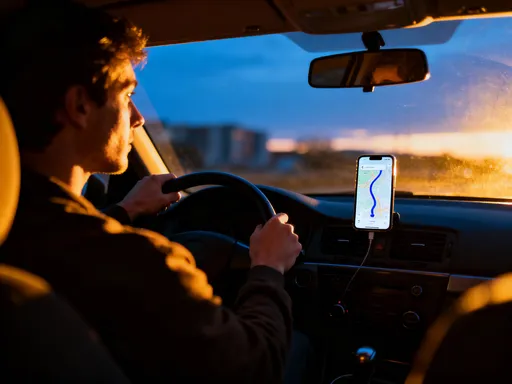
Imagine this: it’s Friday, 3:45 PM. You haven’t opened your map app, but as you grab your keys, your phone quietly says, “Heading to pick up the kids?” And it’s right. You were about to drive to the elementary school for pickup, just like every Friday. That’s not luck. That’s your app learning from repetition. The more you travel the same routes, the better it gets at predicting your next move. It’s like training a helpful assistant who never forgets.
This kind of smart tracking shines in everyday moments. Say you start taking your mom to physical therapy every Wednesday morning. At first, you have to type in the address. But after a few weeks, your app starts suggesting it automatically. It even checks traffic and warns you if there’s construction on your usual route. Over time, it learns that you like to stop for coffee on the way back, so it might suggest your favorite drive-thru before you even think of it. These aren’t random guesses. They’re informed predictions based on your real-life patterns.
And it’s not just about driving. If you walk to the farmer’s market every Saturday, your app starts to recognize that too. It might switch to walking mode automatically, show you the safest crosswalks, or suggest an umbrella if rain is expected. If you travel to the same vacation spot every summer, your app remembers the route, saves offline maps, and even alerts you when it’s time to leave based on historical traffic data. It’s like having a travel memory that grows with you.
The real value? Confidence. You don’t have to second-guess yourself. You don’t need to over-plan. Your app becomes a trusted partner, one that knows your habits and helps you move through the world with less friction. And the more you use it, the more personalized it gets. It’s not about replacing your judgment—it’s about supporting it. You’re still in charge. But now, you’ve got a little extra help remembering what matters.
Turning Data into Daily Wins: Real-Life Moments When Tracking Saves the Day
Let’s talk about real wins—the moments when your map app doesn’t just work, but *saves* you. Picture this: you’re on your way to a doctor’s appointment, and suddenly, a traffic alert pops up. “Accident ahead. Recalculating.” Within seconds, your app suggests an alternate route—one that takes you through side streets you’ve used before. You follow it, and not only do you avoid the jam, but you arrive early. How did it know that back road was faster? Because you’ve taken it during school drop-off. Your app remembered. That’s progress tracking turning passive data into active help.
Or remember last winter when it started snowing earlier than expected? Your phone buzzed: “Leave 20 minutes earlier to get to your sister’s dinner on time.” You didn’t ask. You didn’t check. But the app knew it snows more on that stretch of road, and it knew you hate driving in bad weather. So it adjusted. That kind of heads-up isn’t magic. It’s pattern recognition. Your app saw that you travel that route every holiday season, learned how weather affects travel time, and stepped in before you even realized there was a problem.
Here’s another one: you’re running late for your book club, and you haven’t programmed the address. But as you start the car, your phone says, “Navigating to Book Club at The Willow Café?” And it’s correct. Why? Because you go there the first Thursday of every month, always around 6:30 PM. Your app noticed. It even knows you like to park behind the building, so it guides you there. These aren’t rare moments. They happen more often than you think—quiet interventions that keep your day on track.
And let’s not forget fuel savings. By learning your most efficient routes and suggesting less congested ones, your app helps you use less gas. Over a year, that can add up. One mom I know shared that her app started reminding her to combine errands—like stopping at the post office on the way home from dance class—because it saw she was passing by. She cut her weekly driving time by almost an hour. That’s time and money saved, all because her app was paying attention.
Privacy Without Paranoia: Staying in Control of Your Travel Data
Now, I know what some of you are thinking: “Wait—my phone is tracking all this? That feels a little… much.” And that’s a completely valid feeling. The idea of being watched, even by something meant to help, can be unsettling. But here’s the truth: your map app isn’t spying on you. It’s learning from you—with your permission. And you’re always in the driver’s seat.
Most of the data your app collects stays on your phone unless you choose to back it up to the cloud. Even then, your identity is protected. Big tech companies don’t want your personal story—they want to improve their services. The data is anonymized, meaning your name, address, and identity aren’t attached to the patterns they study. They’re looking at millions of trips to understand traffic flow, not to follow your every move.
And you have full control. Want to pause location history? You can. Want to delete last week’s trips? Easy. Just go into your settings, find Location Services or Timeline, and adjust what you’re comfortable with. You can turn off personalized suggestions, delete old routes, or even use the app in incognito mode when you want privacy. The point isn’t to stop tracking—it’s to make it work for you, not the other way around.
Think of it like a diary. You wouldn’t write everything down if you didn’t trust the lock. Same with your map app. If you’re uncomfortable, lock it. But for many of us, the benefits outweigh the worries. Because when we allow our apps to learn, they don’t become intrusive—they become intuitive. The key is balance. You don’t have to share everything. But sharing a little can make life a lot easier. And that’s worth thinking about.
Teaching the App to Know You: Simple Habits That Improve Tracking Accuracy
Here’s a little secret: your map app learns faster when you help it. Think of it like teaching a new coworker the ropes. A few small actions go a long way. For example, when you visit a new place—say, your nephew’s new apartment—take five seconds to pin it and label it “Jamie’s Place.” That way, next time you visit, your app will recognize it as a frequent spot. No more typing in the address. No more guessing the zip code.
Another easy habit: correct it when it’s wrong. If your app thinks you arrived at the grocery store when you actually parked next door, tap the screen and adjust the arrival time. This feedback helps it learn your real behavior. Same goes for route preferences. If you always avoid a certain highway exit, take the alternate route a few times. Your app will notice the pattern and start suggesting it automatically.
And don’t underestimate the power of naming places. Instead of just “Home” and “Work,” label spots like “Sarah’s School,” “Dad’s House,” or “My Yoga Studio.” The more context you give, the better your app understands your world. One woman told me she labeled her dog walker’s route as “Puppy Walk,” and now her app suggests it every morning at 7 AM. It’s silly, but it works. These small inputs create a richer, more accurate travel profile.
You can also help by using the app consistently—even for short trips. Walking to the mailbox? Cycling to the corner store? Turn on navigation. The more data it has, the smarter it gets. And if you travel with family, consider sharing location with trusted loved ones. Not for tracking, but for peace of mind. When your teen starts driving, knowing they’ve arrived at practice safely? That’s not surveillance. That’s care.
The Bigger Picture: How Your Journey History Builds a Smarter, Calmer Life
At the end of the day, progress tracking isn’t about data. It’s about freedom. It’s about reclaiming your attention so you can focus on what really matters—your family, your peace, your time. When your map app knows your routes, your rhythms, your routines, it doesn’t just get you from A to B. It gives you back moments. Moments you’d otherwise spend planning, worrying, or second-guessing.
Think about how much mental energy we used to spend on directions. Remember folding paper maps in the car? Asking strangers for help? Stressing over exits? Now, that weight is gone. Your phone handles the details so you can enjoy the drive—listen to your favorite podcast, talk to your kids in the backseat, or just breathe. That’s the real gift of smart tracking: it doesn’t just move your body. It calms your mind.
And there’s something quietly beautiful about being understood. When your app says, “Taking you home?” it’s not just a question. It’s recognition. It’s like having a companion who’s been with you through the school runs, the late-night pharmacy trips, the weekend getaways. It knows your life because it’s been there. And in a world that often feels fast and impersonal, that kind of quiet support means something.
So yes, your map app is watching. But not in a creepy way. In a caring way. It’s learning so it can serve you better. And the more you let it, the more it gives back—not in flashy ways, but in steady, reliable help. That’s the future of tech: not machines replacing us, but tools that grow with us, learn from us, and make our lives a little smoother, a little calmer, a little more human. And honestly? That’s a journey worth taking.