More than alarms: Smart security devices that quietly transformed how I live
You know that little knot of worry you get when you’re away from home? I did—until I started seeing my house not as a place to protect, but as a space that could care. It wasn’t about high-tech gadgets or flashy features. It was about peace. Real, daily peace. These devices didn’t just watch my home—they learned my rhythm, adapted to my life, and gave me something priceless: the freedom to breathe. I used to double-check the locks three times before bed. I’d cancel plans because I wasn’t sure if the back door was shut. Now, I don’t have to. Not because I’ve become less careful—but because my home has become more thoughtful. And honestly? That change didn’t come from fear. It came from love. Love for my family, for my time, for the quiet moments that make life feel full. Let me tell you how that happened.
The Moment Everything Shifted: When Security Became About Peace, Not Fear
Remember that jolt you feel when your phone buzzes in the middle of dinner with a motion alert? I used to drop everything—excuse myself, open the app, heart pounding, imagining the worst. A shadow on the porch? My mind would race: Is someone at the door? Did a window break? Once, I even called the neighbor to check because I saw movement near the garage. It turned out to be a tree branch swaying in the wind. Another time, it was my teenage son sneaking back late from a friend’s house. The irony? I was trying to feel safer, but I was actually more anxious.
Then something changed. I updated my camera system to one with smart detection—something that could tell the difference between a person, a car, and a squirrel darting across the yard. Suddenly, not every motion triggered an alert. Only what mattered. And when I did get a notification, I could tap it and see—clearly, calmly—what was happening. No more guessing. No more panic. Just facts. One rainy Tuesday, I was at my daughter’s school play when I got a ping. I glanced at my phone. There was our golden retriever, Max, knocking over the potted fern again. I smiled, saved the clip, and went back to clapping. That moment hit me: I wasn’t being watched. I was being looked after.
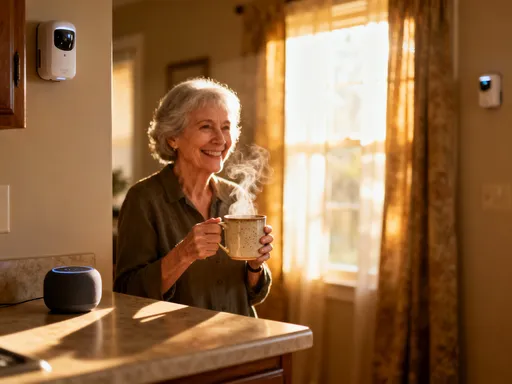
That’s the real shift—security that doesn’t amplify fear but dissolves it. It’s not about preparing for disaster. It’s about removing the tiny, daily stresses that pile up like dust in the corners of your mind. Now, when I travel for my sister’s birthday or stay late at book club, I don’t carry that low hum of worry. I carry confidence. My home isn’t just locked. It’s aware. And that awareness gives me space to be present—wherever I am. It’s like having a quiet friend inside the house, keeping an eye out, saying, “Go ahead. Live your life. I’ve got this.”
Mornings Without the Mental Load: How Sensors Made My Routine Smoother
Mornings used to feel like a race against chaos. Get the kids up, pack lunches, find the permission slips, locate the missing cleats, and somehow make it out the door without forgetting something critical—like whether the back door was locked after the dog went out. I’d be halfway to school and suddenly freeze: Did I lock it? Some days, I’d turn around. Other days, I’d call my husband, interrupting his work, just to check. It wasn’t the end of the world, but it chipped away at my sense of control. That constant mental checklist—lock the door, shut the garage, turn off the iron—was exhausting.
Then I installed smart door sensors and a smart lock. I didn’t realize how much they’d change my mornings until I noticed something: I wasn’t calling anymore. At all. If I forgot to lock the back door, my phone would gently remind me with a notification. Not an alarm. Not a siren. Just a soft chime: “Back door unlocked.” And with one tap, I could lock it from my phone while helping my son tie his shoes. No drama. No U-turns. Just peace.
But it went further. My front door lock syncs with my phone’s location. When I leave the house, it locks automatically once I’m a few blocks away. When I’m on my way home, it unlocks as I approach—no fumbling for keys, especially when my arms are full of groceries or a sleeping toddler. My teenage daughter loves it too. She doesn’t have a key, but she has a code that works between 3 and 6 p.m.—perfect for when she gets home from school. If she tries to come in earlier, the door stays locked. It’s not about control. It’s about safety with simplicity.
And here’s the thing I didn’t expect: it gave me more than time. It gave me mental space. I used to carry a running list in my head—“Did I…?” “Should I…?” “What if…?” Now, that list is shorter. The house helps me remember. It’s like having a co-pilot for daily life, one who doesn’t get tired or distracted. I can focus on what matters—laughing with my kids, planning dinner, enjoying my coffee—because the little things are already handled. And honestly, that’s the kind of upgrade no one talks about enough: less stress, more presence.
Grandparents at the Door: Safety That Welcomes, Not Locks Out
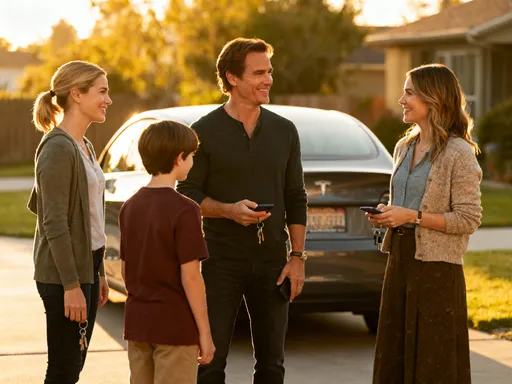
My parents live two hours away, but they come every other weekend to help with the kids. I love it. But I used to dread giving them a key. What if they lost it? What if someone copied it? And what if they forgot it at home? There was always that moment of stress—would they get in okay? I didn’t want to make them call every time. That felt like a burden. But leaving a key under the mat? That felt like an open invitation to trouble.
Then I discovered temporary access codes. With our smart lock, I can generate a code that works only on certain days and times. For my parents, I set up a code that’s active every Friday at 4 p.m. and expires Sunday night. They arrive, punch in the code, and walk right in. No phone calls. No key exchanges. No stress. If they come early or late? The door stays locked—safely. And I can change or revoke the code anytime from my phone. It’s control without rigidity.
But it’s not just for family. Our dog walker has a code that works Monday, Wednesday, and Friday from 10 to 11 a.m. The house cleaner comes on Tuesdays and gets a one-day code that expires after 6 p.m. Even my sister, when she’s in town for a visit, gets a temporary code—no need to coordinate key drops or worry about duplicates. It’s amazing how much this small thing has simplified life. I don’t have to be home to let someone in. I don’t have to worry about lost keys. And I don’t have to choose between convenience and security.
For my mom, who’s in her 70s, it’s been a game-changer. She doesn’t have to dig through her purse for a key while balancing a casserole dish. She doesn’t worry about dropping it. And I don’t worry about her standing outside in the cold if she forgets it. One weekend, she arrived early because traffic was light. The code didn’t work yet—but she texted me, and I turned it on remotely in seconds. She walked in, set down the lasagna, and said, “You know, this feels like the future.” And it does. But more than that, it feels like care. It’s security that doesn’t shut people out—it welcomes them in, on our terms.
The Babysitter Test: Trust, Verified Without Being Obvious
Let’s be honest—handing over your home to a babysitter is hard. You want to trust them. You *need* to trust them. But that knot in your stomach when you pull out of the driveway? I know it well. Is the sitter paying attention? Are the kids already on tablets? Is someone at the door? I used to call halfway through dinner, pretending to check in with the kids, when really, I was checking on the sitter. Awkward. Unfair. And honestly, not very helpful.
Then I installed a smart camera in the hallway—just outside the living room. No audio. No recording unless motion is detected. And only I can access the footage. Now, when I’m out, I can open the app and see—quietly, privately—what’s happening. Not to spy. Not to micromanage. But to breathe. I’ve seen my kids building Lego towers, the sitter reading them a story, even a quick dance party in pajamas. And yes, once I saw them all on the couch watching a movie—totally fine, but I was glad to know.
The key? It’s not about control. It’s about confidence. I don’t check constantly. I don’t watch for hours. But knowing I can, if I need to, makes all the difference. It’s like having a window into the house—without being there. And it’s helped me build better relationships with sitters too. One college student we hired said, “It actually makes me feel better knowing you can see we’re doing okay.” She wasn’t offended. She felt supported.
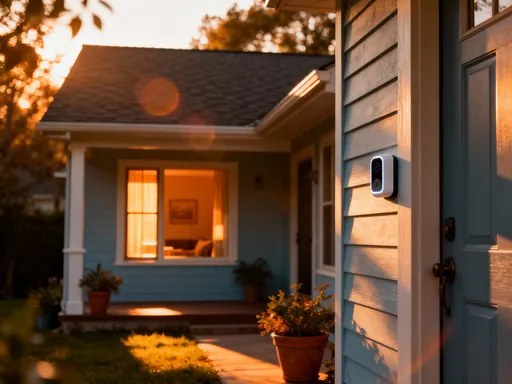
I also use the doorbell camera to see who’s arriving—whether it’s the sitter, a friend dropping off a forgotten homework assignment, or a delivery. I can see the interaction, make sure everything’s safe, and go back to my evening. It’s not about suspicion. It’s about peace. And here’s the beautiful part: because I’m not anxious, I’m more relaxed when I come home. I’m not interrogating the sitter. I’m thanking her. I’m present with my kids. The technology didn’t replace trust—it protected it. And that’s worth more than any gadget.
When the Package Vanishes: How Doorbell Cams Stopped the Frustration
I’ll never forget the day I chased a delivery driver down the block because my daughter’s birthday gift disappeared from the porch. I saw it on the camera—brown box, dropped at 10:15 a.m. By noon, it was gone. No note. No explanation. I called the company. They said, “We delivered it.” I said, “But it’s not here.” They said, “We can’t help.” I was furious. My daughter cried. I felt helpless. And I knew I wasn’t alone. Porch piracy isn’t rare. It’s real. And it’s personal.
Now, when a package arrives, I get a notification with a photo. I can see exactly when it was delivered, who left it, and whether it’s still there. If it goes missing, I have video proof. I’ve used it twice—once to show the delivery company their driver took it to the wrong house, and once to help the police identify a neighbor’s kid who thought it was a prank. Both times, the package was returned. Fast. No arguing. No stress.
But it’s not just about theft. It’s about time. I used to have to rush home to meet deliveries. I’d reschedule packages for weekends. I’d ask neighbors to watch for them. Now, I don’t have to. I can let the delivery happen and check later. Even better, some services now let me unlock the garage remotely so the driver can leave the package inside—safe, dry, and out of sight. No more “leave at door” anxiety.
And for holiday shopping? It’s a lifesaver. Last December, I had 14 packages delivered in one week. I tracked every one. I saved the videos. I even made a little highlight reel for my kids—“Look, Santa’s helper dropped off your present!” It turned a source of stress into a moment of joy. The doorbell camera didn’t just protect my stuff. It protected my peace. And honestly, that’s the best gift of all.
Nighttime Calm: Motion Lights That Protect Without Waking Everyone
Our old motion lights were… dramatic. A car drives by? Blam! The whole yard floods with light. A raccoon in the bushes? Blam! My kids would wake up, scared, thinking someone was breaking in. I’d have to get up, calm them down, explain it was just the light. By the time they fell back asleep, I was wide awake. It was supposed to make us safer, but it was actually making us more tired.
Then I switched to smart motion lights. I can adjust the sensitivity, the brightness, even the schedule. Now, the lights turn on softly when someone approaches the front path—but ignore small animals. I set them to full brightness only between midnight and 5 a.m., when real threats are more likely. During the evening, they glow just enough to light the walkway without blinding anyone.
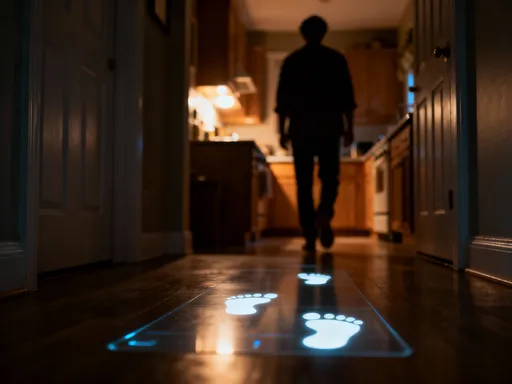
But the best feature? They work with the security system. If the doorbell detects a person at night, the path lights turn on automatically, guiding guests—or us—to the door safely. And if there’s unusual movement, I get a notification. Once, I saw a stranger walking toward the garage at 2 a.m. I turned on the light remotely and called the police. They responded quickly and found the man was lost and confused. He wasn’t a threat, but I’m glad I saw him first. Safety isn’t just about stopping danger. It’s about knowing what’s happening.
For my family, the change has been huge. My kids sleep better. I sleep better. We’re not jolted awake by false alarms. And when we do go outside at night—whether it’s to get the mail or let the dog out—we feel safe. The light is there, but it’s thoughtful. It’s not shouting. It’s whispering, “I’ve got you.” And that quiet confidence? It’s everything.
The Real Upgrade: Less Worry, More Living
It wasn’t one big moment that changed everything. It was a thousand small ones. The first time I locked the door from my phone while helping my daughter with homework. The first time I saw my parents walk in with a smile, no key needed. The first time I watched my kids laugh with the sitter and knew they were safe. These weren’t dramatic victories. They were quiet wins. And together, they rebuilt my sense of calm.
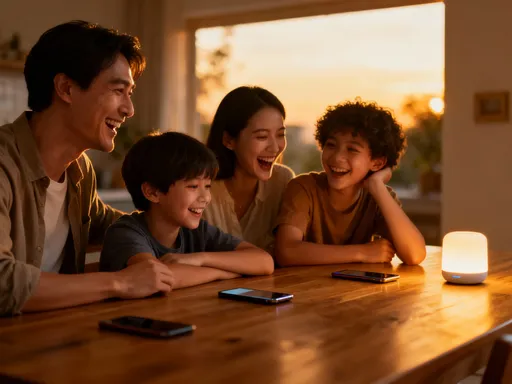
Smart security didn’t make my house cold or robotic. It made it warmer. More human. Because now, it remembers what I forget. It watches when I can’t. It helps me care—without burning me out. I don’t feel like I’m relying on machines. I feel like I’ve got a team. A quiet, reliable team that helps me be the mom, the daughter, the friend, the woman I want to be.
And here’s what no one tells you: when the little things are handled, the big things get easier. I have more energy for my family. More focus at work. More joy in ordinary moments. I’m not just safer. I’m freer. And that freedom? It’s not about fancy tech. It’s about coming home to a house that feels like it loves you back.
So if you’re still double-checking the locks, still stressing about deliveries, still calling to make sure the door is shut—know this: you don’t have to white-knuckle your way through daily life. Technology isn’t here to replace you. It’s here to support you. To give you back your time, your peace, your breath. And honestly? That’s the best kind of upgrade there is. Not more features. Not more gadgets. Just more life. And isn’t that what we all want?