It’s Not Just About Photos: How Family Album Apps Helped Me Strengthen Bonds Without the Stress
Have you ever felt overwhelmed trying to preserve family memories, only to end up with hundreds of unorganized photos buried in your phone? I was there too—until I realized these apps aren’t just digital storage. They’re quiet helpers that bring moments to life, spark conversations with loved ones, and turn chaos into connection. This is how one simple tool quietly improved my family’s everyday joy. It didn’t take extra time or effort. It just took the right kind of support—something that worked with my life, not against it. And honestly, I didn’t expect it to change how I feel about my family’s story.
The Hidden Weight of Unsorted Memories
Let’s be real—how many of us have taken a photo thinking, This is special, only to never look at it again? I’ve done it more times than I can count. Birthday candles, school plays, quiet mornings with coffee and a sleeping child curled on the couch—precious moments captured, then lost in a sea of screenshots, blurry pet photos, and random receipts. The truth is, saving a photo doesn’t mean we’re preserving a memory. It just means we’ve stored a file. And over time, that growing pile of unsorted images starts to feel like a silent guilt. You know the feeling—opening your gallery, scrolling past dozens of thumbnails, and thinking, I should do something with these… but never actually doing it.
That emotional weight is real. It’s not just digital clutter. It’s the weight of unfinished love. Every photo represents a moment someone mattered, a day someone smiled just like that, a time when everything felt simple and warm. When we don’t revisit them, it’s like we’re quietly letting those feelings fade. And the more photos we take, the heavier that burden becomes. I remember one evening, I was trying to find a picture of my daughter’s first dance recital. I knew I’d taken it—multiple shots, actually—but after 20 minutes of swiping and searching, I gave up. I didn’t just lose a photo. I lost a chance to relive that proud, tearful, joyful moment. That’s when it hit me: if I can’t find the memories, do they really exist for anyone else?
What we often don’t realize is that disorganized memories create distance. Not just from the past, but from the people who lived it with us. My mom once asked, “Did you take any pictures when we visited last summer?” I said yes. She said, “I’d love to see them.” And I had to admit—I didn’t know where they were. That small moment stung. It wasn’t about the photos. It was about connection. I wanted her to feel included, to remember what we shared. But without access to those moments, it was like the experience had only belonged to me. That’s the hidden cost of digital hoarding: it isolates us from our own stories. We think we’re preserving memories, but we’re actually making them harder to reach.
The Misconception: “More Photos = More Memories”
We’ve been sold a story that more photos mean richer memories. That if we just capture everything—every smile, every milestone, every meal—we’ll have a fuller record of our lives. But here’s what no one tells you: taking 200 pictures of a birthday party doesn’t make you remember it better. In fact, it often does the opposite. I used to snap photos nonstop during family events, thinking I was being diligent. But then, when it came time to look back, I’d open the folder and feel instantly overwhelmed. Which ones mattered? Which ones told the story? There were so many, I ended up watching none.
That’s the paradox of abundance. When we have too much, we engage with nothing. It’s like walking into a closet stuffed with clothes and still feeling like you have nothing to wear. The options are paralyzing. And in the end, we stop trying. I remember coming back from a beach vacation with over 800 photos. I was so proud of myself—look at all these memories! But weeks passed. Then months. No one in my family had seen a single one. When I finally tried to share them, I realized I couldn’t even tell the story of the trip. The moments were there, but the meaning was lost in the noise.
The truth is, memories aren’t built on quantity. They’re built on attention. A single photo of my son blowing out his candles, his face lit with determination, means more to me than 50 blurry shots from different angles. That one image brings back the smell of cake, the sound of laughter, the way his little hands cupped the flame. That’s what sticks. And that’s what we should be aiming for—not a full gallery, but a few meaningful moments that we actually return to. The shift isn’t about taking fewer photos. It’s about making the ones we keep easier to find, to feel, to share. Because connection doesn’t come from volume. It comes from visibility.
How Family Photo Album Apps Actually Work—Without the Tech Jargon
When I first heard about family photo album apps, I’ll admit—I rolled my eyes. Another app? Another thing to learn? I imagined complicated settings, confusing folders, and another password to remember. But what I discovered surprised me. These apps aren’t about tech. They’re about care. Think of them like a thoughtful friend who knows your family’s rhythm. They quietly sort your photos—not by file name or date taken, but by people, places, and events. So when you search for “Grandma’s garden,” it pulls up every picture of her laughing under the apple tree, not just the ones labeled correctly.
And the best part? It doesn’t ask much from you. You don’t have to tag every photo or write long captions. The app learns over time. It notices that the same faces show up at birthday parties, that certain locations repeat, that your dog appears in 60% of your kitchen photos. It starts making smart suggestions: “Remember this day last year?” or “Your daughter’s first day of school—want to share this album with Dad?” These aren’t random alerts. They’re gentle nudges toward connection. I once got a notification that said, “On this day, three years ago.” It showed a photo of my nephew taking his first steps, arms out, face lit with surprise. I hadn’t thought about that day in ages. But there it was, waiting for me like a gift.
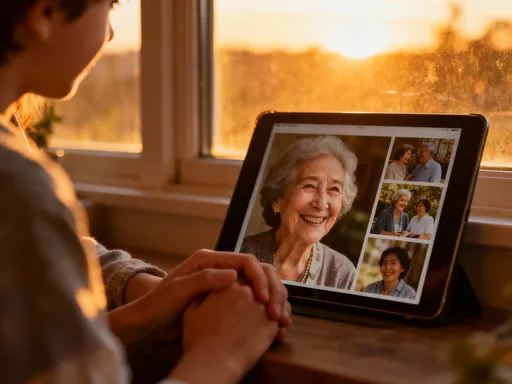
These apps also help with the hardest part: sharing. Instead of forwarding individual photos or creating messy email threads, you can create a shared album. Everyone you invite—your sister, your parents, your cousin across the country—can see updates in real time. They can add their own photos, leave comments, react with hearts. It turns passive storage into something alive. I remember my mom adding a voice note to a picture of my son’s art project: “This is going on my fridge!” Hearing her voice pop up in my phone made me smile all day. That’s the magic. It’s not just about seeing a photo. It’s about feeling seen.
Turning Passive Storage into Active Connection
Here’s what no one talks about: memories are not meant to be frozen. They’re meant to be shared, revisited, talked about. A photo alone is a moment paused. But when someone comments on it, when a grandparent says, “I remember that day,” or a cousin replies, “We were so silly back then,” that moment comes alive again. That’s where family album apps shine. They don’t just store pictures—they create space for conversation.
I’ll never forget the time I uploaded an old photo of my brother and me as kids, covered in mud after a rainstorm. I didn’t think much of it. But my dad saw it and wrote, “You two refused to come inside. Said the worms needed help.” Suddenly, a simple image became a story. My brother replied, “I still think we saved at least three.” We ended up texting back and forth for an hour, laughing about childhood adventures we hadn’t thought about in decades. That photo didn’t just remind us of the past. It brought us together in the present.
These apps also help bridge distance. My aunt lives overseas, and before, she’d only see photos when I remembered to send them. Now, she’s part of our family album. She sees my daughter’s drawings, my husband’s gardening fails, our holiday messes. And she responds—not just with likes, but with messages. “Tell her I love the pink hat!” or “That cake looks dangerous—send help!” It’s small, but it makes her feel close. She’s not just receiving updates. She’s participating. And that changes everything. Connection isn’t about big gestures. It’s about these tiny threads of attention, woven over time. And these apps make it easy to keep weaving.
Small Routines, Big Emotional Payoffs
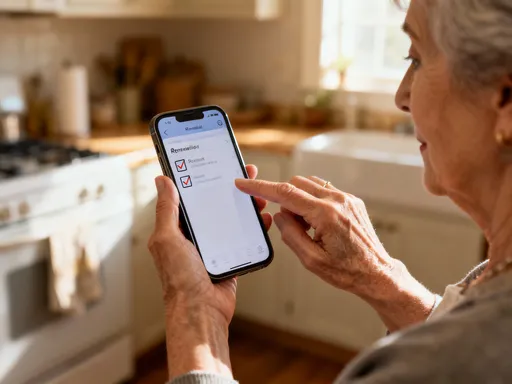
You don’t need to spend hours organizing photos to feel the benefits. In fact, the most powerful habits are the tiniest ones. I started with just five minutes a week. Every Sunday evening, I open the app and let it show me “This Week Last Year.” It’s like a mini time capsule. Sometimes it’s funny—a picture of my dog stealing pizza off the counter. Sometimes it’s tender—a quiet moment of my daughter reading on the porch. Either way, it grounds me. It reminds me how much has changed, and how much has stayed the same.
Another habit I love: letting the app create short video clips automatically. Every few weeks, it sends me a one-minute montage of recent moments—laughing at dinner, walking in the park, blowing out candles. I don’t have to edit anything. I don’t have to choose music. It just arrives, ready to watch. And I do—every time. I’ve started sharing them with my parents. My mom told me she watches them while drinking her morning tea. “It’s like having you here,” she said. That meant more to me than any high-resolution album ever could.
The beauty of these routines is that they require almost no effort. You’re not building a museum. You’re tending a garden. A little water, a little light, and over time, something beautiful grows. I used to think I had to do it all at once—sort every photo, label every face, create perfect albums. But that pressure kept me from starting. Now I know: consistency beats perfection. Five minutes a week. One shared album. One comment from a loved one. That’s how connection grows. Not in grand projects, but in quiet, repeated acts of care.
Protecting Privacy While Staying Connected
I know what some of you might be thinking: What about privacy? Isn’t sharing family photos online risky? These were my concerns too. I didn’t want just anyone seeing my child’s first steps or our holiday trips. But here’s what I’ve learned: most family album apps are designed with privacy in mind. They’re not social media. You control who sees what. You decide who gets invited. You can remove someone at any time. And the photos aren’t public. They’re stored securely, often with encryption, so only the people you trust can access them.
I also set boundaries that work for my family. For example, I have one album for close family—my parents, siblings, and in-laws—where I share everyday moments. But I have another, smaller one just for my parents and me, where I keep more personal updates. My sister jokes that she’s not “inner circle” enough, but we laugh about it. The point is, I get to decide. And that control makes sharing feel safe, not scary. I also disable location tags for photos of my kids and avoid posting anything that reveals school names or addresses. These are small steps, but they add up.
Another thing I appreciate: these apps don’t push you to share. No algorithms are trying to make your photos go viral. There are no ads, no public feeds, no pressure to perform. It’s just for your family. That changes the whole experience. You’re not curating for an audience. You’re preserving for love. And that makes all the difference. Privacy isn’t the opposite of connection. It’s the foundation of it. When we feel safe, we share more freely. And when we share more freely, we grow closer.
A Calmer, More Connected Family Life—One Photo at a Time
Looking back, I realize I wasn’t just looking for a way to organize photos. I was looking for a way to feel closer—to my family, to my past, to the little moments that make life meaningful. And I found it, not in a grand gesture, but in a simple app that helped me pause, reflect, and share. It didn’t fix everything. But it made the good parts easier to see, to feel, to hold onto.
Today, our family talks more about the past. My daughter asks, “What was I like when I was two?” and we pull up videos together. My husband and I laugh at old vacation mishaps instead of stressing over them. My parents feel included, not just informed. And I feel lighter—like I’m not carrying all the memories alone anymore. They’re out in the open, shared, alive.
Technology often gets a bad rap for pulling us apart. But sometimes, it does the opposite. Sometimes, it hands us back the pieces of our lives in a way that makes them easier to love. These apps aren’t about perfection. They don’t require tech skills. They don’t demand your time. They simply make it easier to do what your heart already wants: to remember, to connect, to say, “I was there. You were there. This mattered.”
If you’ve been holding onto photos you never revisit, I get it. The weight is real. But you don’t have to do it all at once. Start small. Pick one album. Invite one person. Let the app surprise you with a memory you’d forgotten. Let someone you love smile at a moment they thought was lost. Because connection isn’t about how many photos you take. It’s about how often you let them bring you back—to each other, to the joy, to the life you’re building together. And sometimes, all it takes is one picture, shown at just the right time, to remind you how full your heart really is.