I Keep Forgetting My Pills Was My Mom’s Daily Struggle — Here’s How a Simple Reminder App Brought Us Both Peace of Mind
"I keep forgetting my pills" was my mom’s daily struggle — and honestly, it became mine too. For years, I watched her stand in front of the medicine cabinet each afternoon, holding a small orange bottle, hesitating. "Did I take it?" she’d ask, her voice tight with worry. Sometimes she’d take it again, just in case. Other times, she’d skip it, afraid of doubling up. It wasn’t laziness. It wasn’t carelessness. It was memory fatigue — the quiet, creeping kind that comes with age, stress, or just too many things to remember. As her daughter, I felt helpless. I didn’t want to nag. I didn’t want to treat her like she couldn’t handle her own life. But I also couldn’t stop the knot of anxiety in my chest every time she second-guessed herself. Then, one rainy Tuesday, we found a tiny app — no flashy design, no complicated setup — that changed everything. It didn’t fix aging or erase forgetfulness, but it gave us something better: peace of mind. This isn’t a story about futuristic tech. It’s about real help for real days. If you’ve ever worried about an aging parent’s routine, this is for you.
"Did I Take My Pills Today?" — When a Simple Question Becomes a Daily Fear
That question — "Did I take my pills today?" — sounds small. But for so many older adults, it carries real weight. It’s not just about one missed dose. It’s about the slow erosion of confidence. My mom used to be the kind of woman who remembered everyone’s birthday, planned family dinners down to the dessert, and never showed up late. Now, she’d pause in the hallway, keys in hand, wondering if she’d turned off the stove. The uncertainty chipped away at her sense of control. And for me, watching her second-guess herself was painful. I wanted to help, but I didn’t know how. Setting out pill organizers didn’t work — she’d forget to use them. Sticky notes got lost. I even tried calling her at the same time every day, but then I’d get stuck in traffic or buried in work, and the call would go to voicemail. The guilt piled up on both sides. What if she missed a blood pressure pill? What if she took two by accident? The stakes felt too high for trial and error. What we needed wasn’t another checklist or a louder voice — we needed support that was gentle, reliable, and always there. Something that didn’t make her feel watched, but cared for. That’s when we started looking for tech that felt like a helping hand, not a watchdog.
Tech That Feels Like Care, Not Control
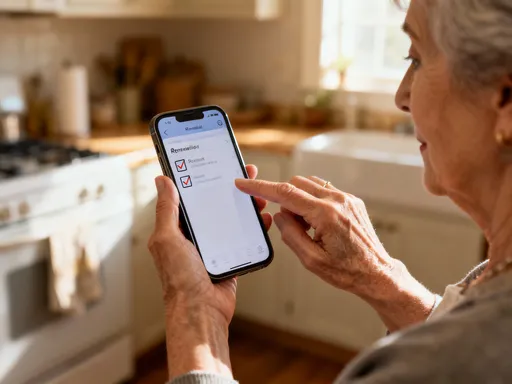
When I first mentioned a reminder app, my mom rolled her eyes. "Oh no, not another gadget," she said. "I don’t want some robot bossing me around." I get it. So many tools for older adults feel clunky, condescending, or impossible to use. Tiny buttons, confusing menus, alerts that scream at you like an alarm clock. But the app we found was different. It wasn’t designed by engineers in a lab — it felt like it was made by someone who actually lived this. The reminders are soft, like a friendly tap on the shoulder. She gets a little chime and a message that says, "Time for your morning pills," in a calm voice she picked herself. No flashing red lights. No panic. Just a nudge. One morning, I was over for coffee when her water-drinking reminder went off. She looked at the screen, smiled, and said, "Oh, that’s right!" Then she got up, poured a glass, and sat back down like it was the most natural thing in the world. That moment hit me: this wasn’t control. This was support. The app lets her keep her rhythm, her routine, her dignity. She decides when to set reminders, what they say, and who sees her progress. It’s not about me managing her life — it’s about giving her the tools to manage it herself. And that makes all the difference.
Small Wins, Big Confidence: How Tracking One Habit Builds Momentum
We started small — just one reminder a day for her morning medication. But something surprising happened. Every time she tapped "Done" in the app, a little checkmark appeared. Simple, right? But that tiny visual cue gave her a quiet sense of accomplishment. "I did it," she’d say, showing me the screen. And slowly, that feeling grew. A few weeks in, she asked if she could add a reminder to walk around the block after lunch. "I’ve been meaning to move more," she said. So we set it up. At first, she forgot. But the app reminded her, and eventually, she started remembering on her own. Then she added another: drink a glass of water when she woke up. Then another: stretch for five minutes before bed. Each one was a small win. But together, they added up. What I noticed wasn’t just better habits — it was better mood. She stood taller. She smiled more. There was a lightness in her step that hadn’t been there before. I realized something important: confidence isn’t built in big leaps. It’s built in tiny, daily victories. And when technology helps you see those victories — really see them — it changes how you see yourself. My mom wasn’t just remembering her pills. She was remembering her strength.
"I See You’re Doing Great" — The Quiet Power of Connection
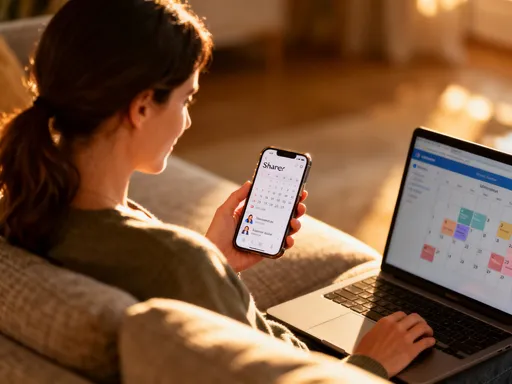
One of the most unexpected benefits of the app was how it brought us closer — not through constant calls or check-ins, but through small, quiet moments of connection. The app has a feature that lets family members see when a task is completed. I don’t get a notification every time she takes her pills — that would feel like surveillance. But I can open the app and see a little green checkmark next to her morning routine. And sometimes, I send a quick emoji — a smiley face, a heart, a thumbs-up. That’s it. No long messages. No "Did you remember?" questions. Just a simple, "I see you, and I’m proud." One day, after she logged her walk, I sent a little sun emoji. Later, she called me and said, "That made my day." I was stunned. All I did was tap a button. But for her, it was proof that someone was paying attention — not in a nagging way, but in a loving one. These tiny digital touches replaced the guilt and tension that used to fill our conversations. Instead of "Did you take your pills?" it became "I saw your walk — great job!" The tone shifted from worry to celebration. And that changed everything.
Setting It Up Together: A 10-Minute Ritual That Builds Trust
When we first downloaded the app, I could’ve set it up for her in five minutes. But I didn’t. Instead, I sat beside her at the kitchen table with her phone between us. "Let’s do this together," I said. We started with one question: "What’s one thing you’d like to remember each day?" She thought for a moment and said, "My blood pressure pill. I always forget that one." So we picked a reminder time — 8:00 a.m., right after her tea. Then we chose the tone — a soft piano note, not a beep. We added a photo of her favorite garden to the home screen so it felt personal. It took about ten minutes. But those ten minutes were about more than tech. They were about presence. About listening. About saying, "This is your life, and I’m here to support it, not run it." I let her tap the buttons. I waited when she paused. I didn’t rush. And by the end, she wasn’t just using the app — she owned it. That moment taught me something: the most important part of any tool isn’t the feature list. It’s the relationship it creates. When we set things up together, we’re not just installing software — we’re building trust. We’re saying, "I see you. I’m with you. And we’ve got this."
When Tech Stumbles — And Why That’s Okay
Let’s be real: tech doesn’t always work perfectly. One week, my mom forgot to charge her phone overnight. The next morning, no reminder. She missed her pill. When I found out, my first instinct was panic. "Why didn’t you charge it?" I almost said. But I stopped myself. Instead, I asked, "How are you feeling?" She admitted she’d been tired the night before and just went to bed. We talked about what might help — maybe plugging the phone in earlier, or keeping a backup charger nearby. No blame. No shame. Just problem-solving, together. That moment was a turning point. It reminded me that no app is perfect. Batteries die. Updates confuse. Screens break. But the resilience we build by using them — that’s what lasts. Every time we troubleshoot, we grow a little closer. Every time we adapt, we prove that we can handle life’s little hiccups. The app isn’t a fix-all. It’s a partner in the process. And sometimes, the most valuable lessons come when it fails — because that’s when we learn how strong we really are.
More Than Habits: Building a Life of Quiet Dignity
Today, when my mom opens her app, she doesn’t need my help. She taps her reminders, logs her walks, smiles at the little checkmarks. It’s become part of her rhythm — as natural as brewing her morning tea. But what’s really changed isn’t just her routine. It’s her spirit. The fear in her eyes when she stood at the medicine cabinet? It’s gone. Replaced by a quiet confidence. She still forgets things — we all do. But now, she has a system that helps her remember without shame. She’s not just managing her health — she’s reclaiming her independence. And for me, the constant knot of worry has loosened. I don’t have to play the role of reminder, referee, or rescuer. I can just be her daughter. We talk about books, about the garden, about her grandkids — not just pills and appointments. That’s the real gift of this little app. It didn’t just improve her memory — it improved our relationship. It gave us back time, peace, and presence. And it reminded me of a simple truth: sometimes, the smallest tools make the biggest difference. Technology doesn’t have to be flashy or complex to change a life. Sometimes, all it takes is a gentle nudge, a little checkmark, and the quiet assurance that someone cares. If you’re caring for an aging parent, know this: you’re not alone. And you don’t have to do it all. There are tools out there that don’t replace love — they amplify it. They don’t take over — they support. And in the quiet moments, when your mom smiles at her phone and says, "I did it," you’ll know: this isn’t just about remembering pills. It’s about remembering life.