More than peace of mind: How smart security made our family dinners actually connect
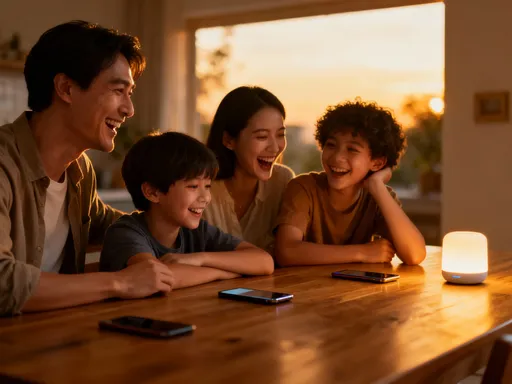
Family dinners used to be a battleground of distractions—phones buzzing, doorbells ringing at the worst times, and that nagging worry about whether the back door was locked. We were together, but never truly present. Then we quietly brought smart security into our home. It didn’t just protect us—it gave us something priceless: uninterrupted time. For the first time, dinner became real again, filled with laughter, stories, and actual eye contact. This isn’t about high-tech gadgets. It’s about how one simple change helped us reclaim connection, calm, and closeness.
The Dinner Table That Wasn’t Working
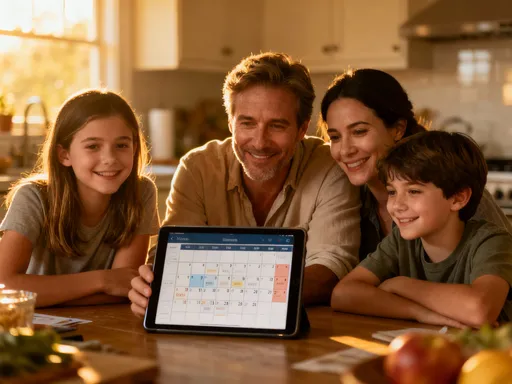
Every night, we gathered around the table—plates full, candles lit, the kitchen warm with the smell of roasted vegetables and simmering soup. On the surface, it looked like the kind of scene you’d see in a home magazine. But beneath that picture-perfect image, something was off. We were all there, yes, but we weren’t really *together*. My son would glance at his phone every few minutes, my daughter would jump up to check who rang the doorbell, and I’d find myself mid-bite, suddenly wondering: Did I lock the garage? Did I arm the alarm? That tiny voice in the back of my mind—always questioning, always doubting—was stealing my attention from the people I loved most.
One evening, my husband told a funny story from his day. We were just starting to laugh when the doorbell rang. My daughter shot up, napkin falling to the floor. “I’ll get it!” she called, already halfway down the hall. It was a delivery—something for her school project. By the time she came back, the moment had passed. The laughter faded. The story was forgotten. We all smiled politely and kept eating, but the rhythm was broken. And that became the pattern: one small interruption after another, each one pulling us further from each other. It wasn’t the end of the world, but over time, it wore us down. We weren’t building memories—we were just surviving dinner.
What I didn’t realize then was that the problem wasn’t our lack of effort. We *wanted* to connect. We tried. But our environment was working against us. The constant pings, the uncertainty, the need to physically check things—it all kept us in a low-level state of stress. And when you’re stressed, even a little, it’s hard to be fully present. You’re listening, but part of you is already planning your next move. That’s when I started wondering: Could technology actually help us *disconnect* from distractions and reconnect with each other?
A Quiet Upgrade That Changed Everything
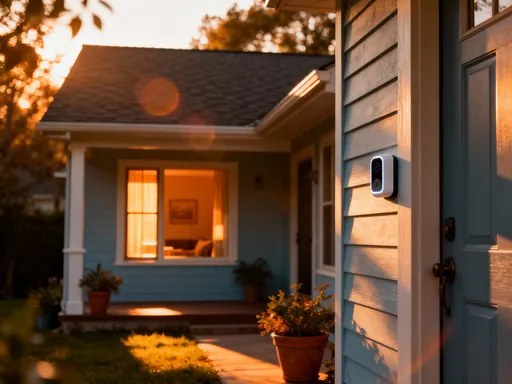
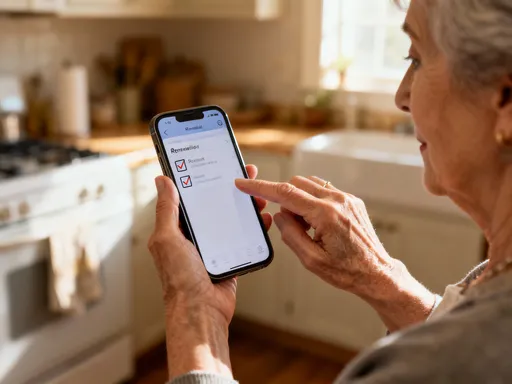
I wasn’t looking to turn our home into a sci-fi movie set. No flashing lights, no robotic assistants, no complicated control panels. What I wanted was simplicity—something that worked quietly in the background, like a good housekeeper who knows exactly when to step in and when to stay out of the way. That’s how we started with a smart doorbell. It seemed small at first—just a camera at the front door, with an app on my phone. But the first time I saw a delivery person drop off a package and could confirm it without leaving my chair, I felt a little jolt of relief. No more guessing. No more getting up. Just a quick glance, and I knew.
That tiny win led to another. We added motion sensors on the doors and windows, a smart lock on the back door, and a simple security hub that tied everything together. The system learned our routines. It knew when we were home, when we left, when it was time to arm itself automatically. And the best part? It didn’t demand our attention. It gave us information only when we needed it—quietly, clearly, without drama. No more jumping at every bark or shadow. No more sending one of the kids to check the garage in the dark. The house felt more secure, yes, but more than that, *we* felt more secure. Our shoulders relaxed. Our breathing slowed. We stopped living in that low hum of anxiety.
One night, during dinner, my phone buzzed softly. I glanced at it—a notification from the back door sensor. “Back door opened.” I didn’t panic. I didn’t jump up. I just said, “Honey, did you leave the back door open?” He looked up, fork halfway to his mouth. “Oh—must have when I took the trash out. I’ll close it after dinner.” No fuss. No interruption. We kept talking, kept eating. And that’s when it hit me: the technology wasn’t just protecting our home. It was protecting our time together. It gave us the gift of certainty, and with that, the freedom to focus on each other.
How Security Tech Became a Communication Tool
I used to think of security systems as something you set and forget—like a smoke detector or a fire extinguisher. Something you hope you never need. But what surprised me was how quickly this system became part of our daily conversation. It wasn’t a cold, impersonal machine. It became a quiet partner in our family life. We started using it to communicate in new ways. Instead of shouting across the house—“Who’s at the door?” or “Did the sitter leave yet?”—we’d just check our phones. One of us would say, “Sitter’s car just pulled out,” or “Grandma’s here!” and the whole table would light up. No yelling. No guessing. Just shared awareness.
Even the kids got used to it. My daughter loves checking the camera feed before she goes to bed. “I just want to make sure everything’s okay,” she’ll say. And I don’t correct her. Because it *is* okay. And knowing that helps her feel safe. My son uses the app to check if the garage door is closed before he leaves for school. “I don’t want Mom to worry,” he told me once. That small moment made me realize how much this system had shifted our family dynamic. It wasn’t just about security—it was about care. About looking out for each other, even when we weren’t in the same room.
And here’s the thing: the tech didn’t pull us away from each other. It did the opposite. It handled the little things so we didn’t have to. No more mid-dinner debates about whether the front gate was locked. No more sending someone to check the basement because the dog barked. We could stay in the moment, keep the conversation flowing, keep laughing. The system didn’t replace our communication—it supported it. It gave us space to talk about what mattered, instead of getting stuck on the logistics of daily life.
Building Trust Through Shared Awareness
One of the most unexpected benefits was how it strengthened our sense of trust. Before, if someone came home late, I’d start to worry. Did they forget to text? Is everything okay? Now, when my teenager gets home from practice, I see the notification: “Front door unlocked. Alex is home.” No need to call. No need to hover. I just smile and keep reading. That small piece of information—knowing they’re safe—lifts a weight off my heart every single time.
And it works both ways. My kids know they can trust me to know what’s going on. If a stranger approaches the house, I see it instantly. If a package arrives, I can tell them exactly where it is. There’s no guessing, no misinformation, no “I thought you said it was delivered yesterday!” These tiny moments of clarity add up. They build a foundation of trust—not just in the technology, but in each other. We’re not hiding things. We’re sharing information. We’re staying connected, even when we’re apart.
My mother, who visits often, noticed the difference right away. “You’re so calm now,” she said one evening. “You used to jump every time the doorbell rang.” I laughed, but she was right. Before, every alert felt like a potential threat. Now, it’s just information. And that shift—from fear to awareness—has changed how we live. We’re not on high alert anymore. We’re just… present. We trust the system, and because of that, we trust each other more. We know we’re all looking out for the same things: safety, peace, and each other.
Designing a System That Fits Family Life
When we first looked into smart security, I was overwhelmed by the options. So many brands, so many features, so many promises. But I quickly realized we didn’t need everything. We needed what worked for *us*. So we kept it simple. We chose a system with a clean, easy-to-use app—something even my tech-wary husband could navigate. We set up automatic routines: the system arms itself at 7 p.m. every night, right around dinner time. No more forgetting to turn it on. No more “Wait—did you set the alarm?”
We also customized the alerts. Not every motion detection needs to wake me up at 2 a.m. We set the cameras to ignore the dog wandering through the living room, but alert us if someone approaches the front door after dark. We turned off notifications during dinner and movie nights, so our phones wouldn’t buzz at the worst moments. The goal wasn’t to be notified about everything—it was to be notified about what *mattered*. And that made all the difference.
Privacy was also a big concern. We didn’t want to feel like we were being watched all the time. So we made sure the cameras were placed thoughtfully—never in private spaces like bedrooms or bathrooms. We used end-to-end encryption, and we set up individual user accounts so everyone could control their own access. The kids can view the front door camera, but they can’t disarm the system. It’s about balance—security without surveillance, awareness without intrusion. We wanted to feel safe, not spied on.
And honestly? We didn’t spend a fortune. We started small and added pieces over time. The doorbell came first. Then the sensors. Then the smart lock. Each step felt manageable. Each one brought more peace. We didn’t need the most expensive system—we needed the one that fit our life. And that’s the beauty of it: you don’t have to do it all at once. You can start with one small change and see how it feels. For us, that one change opened the door to something much bigger.
The Ripple Effect on Daily Routines
It’s funny how one change can touch so many parts of your life. I thought smart security would just make us safer at night. But it ended up improving our whole day. Mornings used to be chaotic—rushing, forgetting things, double-checking locks on the way out. Now, my daughter checks the app before she leaves. “Garage door’s closed. Front door’s locked. We’re good,” she’ll announce. And I can let go. I don’t have to call back or run outside to check. I trust the system. I trust her.
Even bedtime feels different. Before, I’d do a full house check—windows, doors, lights, alarm. Now, I open the app, tap a few buttons, and I’m done. The kids know they can check the camera if they hear a noise. “It was just the cat,” my son said last week, showing me the feed. “I didn’t even have to get up.” That small moment of independence gives him confidence. It gives me peace.
And the calm we found at dinner started to spread. We were more patient. More present. Less reactive. Because we weren’t carrying that low-level worry anymore, we had more emotional space for each other. We listened better. We laughed more. We argued less. It wasn’t magic—it was mindset. And that mindset came from knowing we were protected, not just physically, but emotionally. The system didn’t fix our relationships. It created the conditions where they could thrive.
Reclaiming Time, One Quiet Meal at a Time
Looking back, I realize the biggest gift this system gave us wasn’t safety—it was time. Time to talk. Time to listen. Time to just *be* together without distraction. We used to measure connection in words spoken or activities shared. But now I see it in quieter moments: the way my daughter looks up from her plate and really listens when her brother talks. The way my husband holds my gaze a little longer across the table. The way we all pause, sometimes, just to enjoy the silence between the stories.
This isn’t about living in a high-tech bubble. It’s about using quiet, thoughtful tools to live more fully. It’s about removing the small stresses so we can focus on the big things—like love, laughter, and the simple joy of being together. The smart system didn’t replace our humanity. It protected it. It gave us the space to be present, to connect, to breathe.
And that, more than any feature or function, is what I’m grateful for. Not the cameras, not the sensors, not the app—but the way dinner feels now. Warm. Whole. Real. We’re still imperfect. We still have messy days and forgotten chores. But at the end of it all, when we sit down to eat, we’re finally *together*. And that’s worth every single upgrade.